Agricultural Sciences & Engineering · EARTH University
Agricultural Sciences professional specializing in precision & digital agriculture, remote sensing, and geospatial analysis. I build data-driven tools — from UAV imagery to machine learning models — to advance sustainable food systems and global agricultural resilience.

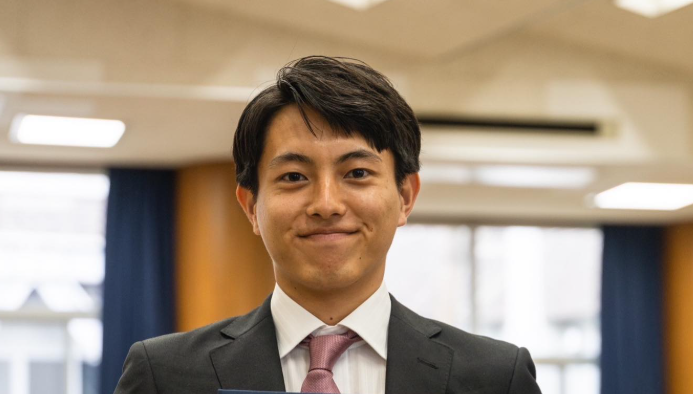
I am a highly motivated final-year Agricultural Sciences & Engineering student at EARTH University, Costa Rica, specializing in precision and digital agriculture, remote sensing, and geospatial analysis.
I am experienced in UAV data acquisition and processing using Pix4D, Agisoft Metashape, QGIS, and Google Earth Engine, and proficient in Python and R for spatial modeling, statistical analysis, and machine learning. My work focuses on developing data-driven tools for biomass estimation and precision farm management.
I am passionate about applying geospatial intelligence and AgriTech innovation to advance sustainable food systems and global agricultural resilience — bridging field-scale agronomy with modern data science.
My research interests lie at the intersection of data science, agricultural systems, and food quality optimization. Through my BSc thesis on estimating crop biomass variability using machine learning and remote sensing, I came to understand that the same biological variability shaping crop production also fundamentally influences postharvest quality and nutritional outcomes. This insight reframed my focus — from optimizing agricultural production alone toward understanding the complete food system, from field to consumer, where data-driven insight can safeguard both food security and nutritional quality.
I am particularly drawn to developing generalizable predictive models that capture how environmental, biological, and management factors interact across diverse contexts to determine final product quality. I value system-level thinking: recognizing that crop and food quality emerge from complex interactions across production, environment, management, storage, and the wider supply chain. My goal is research that pairs computational rigor with practical applications that improve real-world outcomes.
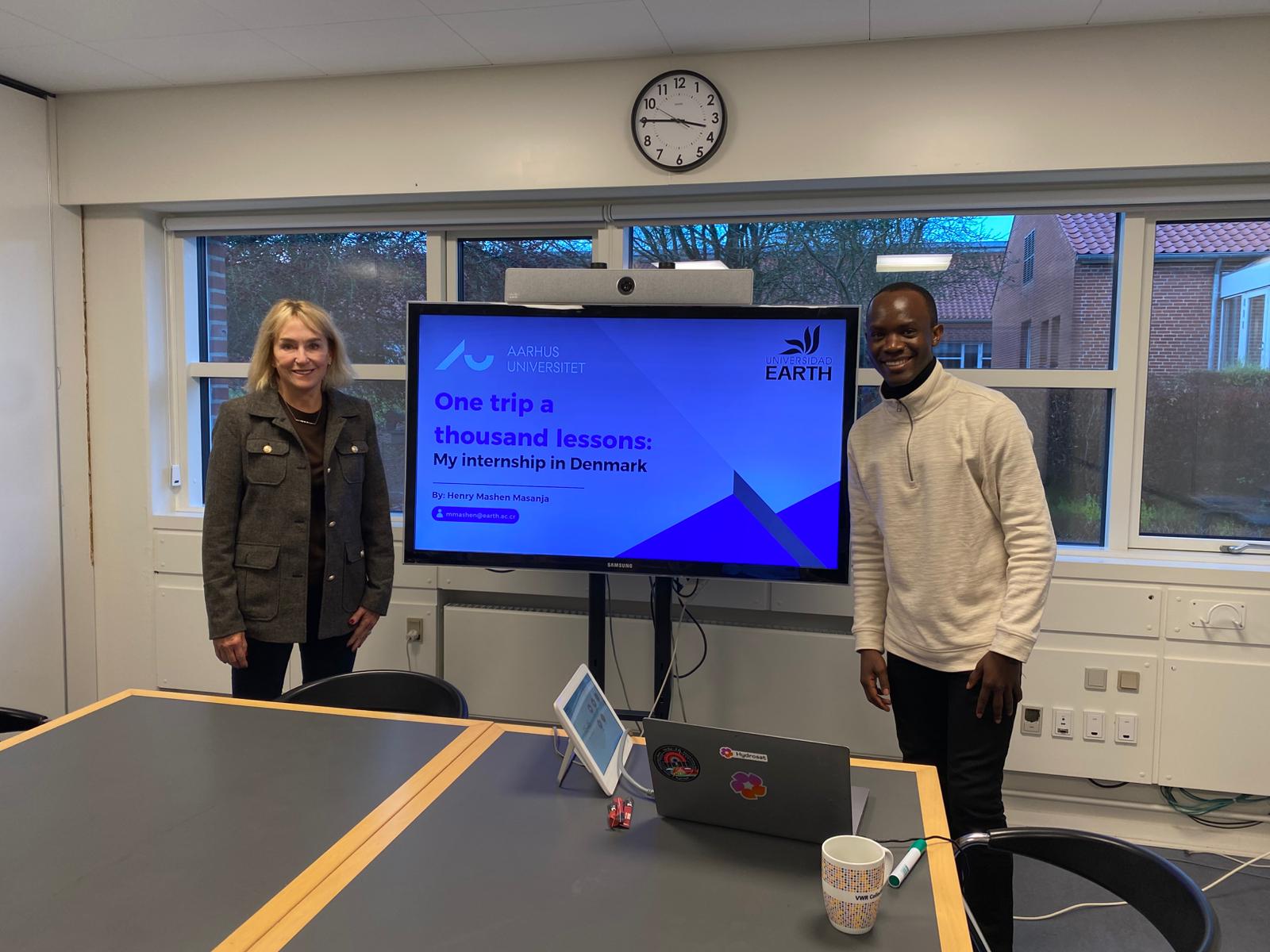
My technical foundation is directly suited to this work. My thesis developed Python-based machine learning models — random forest, support vector machines, and gradient boosting — to quantify how pre-harvest factors influence crop traits, building proficiency in statistical analysis, model development, and data interpretation. During my 2025 research internship at Aarhus University under Dr. Eusun Han, I gained hands-on experience building data pipelines, processing complex multidimensional datasets, validating model predictions, and communicating technical findings across disciplines. My BSc in Agricultural Sciences and Engineering grounds this with domain knowledge of crop physiology, growth dynamics, and how preharvest conditions shape final product quality.
My long-term goal is to contribute to global food security and nutrition through digital innovation and data-driven decision-making in food systems. I envision working at the intersection of research, industry, and policy — translating scientific findings into practical tools that farmers, processors, and consumers can use to optimize quality, reduce waste, and improve nutritional outcomes.
I approach research with a strong work ethic, intellectual curiosity, and a commitment to rigor. My thesis demonstrated my ability to manage complex, multidisciplinary projects and communicate findings effectively, while my international experience at Aarhus University developed my capacity to collaborate in diverse research environments. I am excited to keep advancing research that improves food quality, nutrition, and sustainability.
Seeking funded MSc opportunities in data-driven agricultural and food systems, remote sensing, or food quality & nutrition.
AvailableOpen to PhD projects bridging machine learning, remote sensing, and crop/food systems for real-world impact.
AvailableAvailable for AgriTech, precision-agriculture, UAV/remote-sensing, and data-science roles, plus research collaborations.
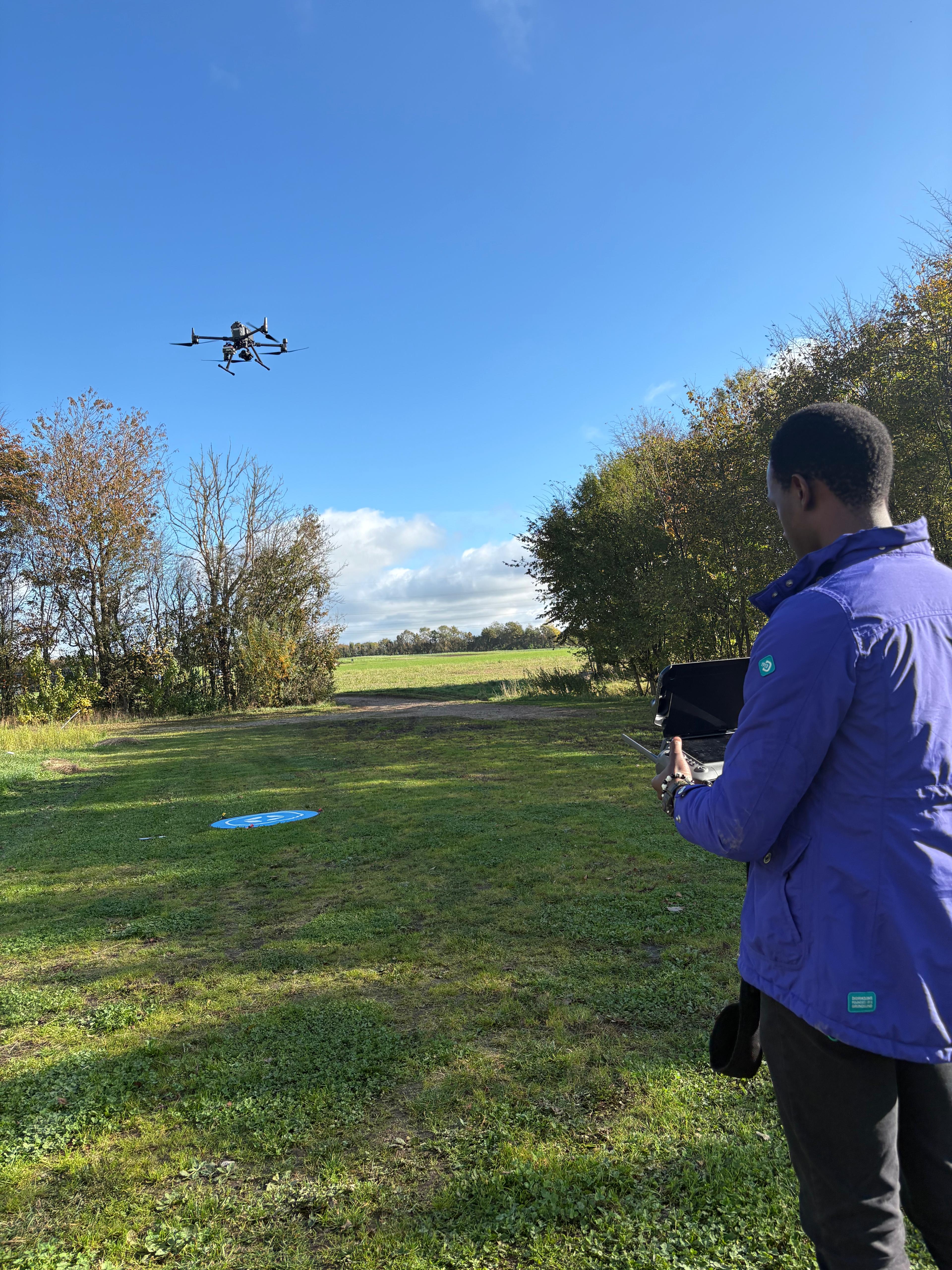
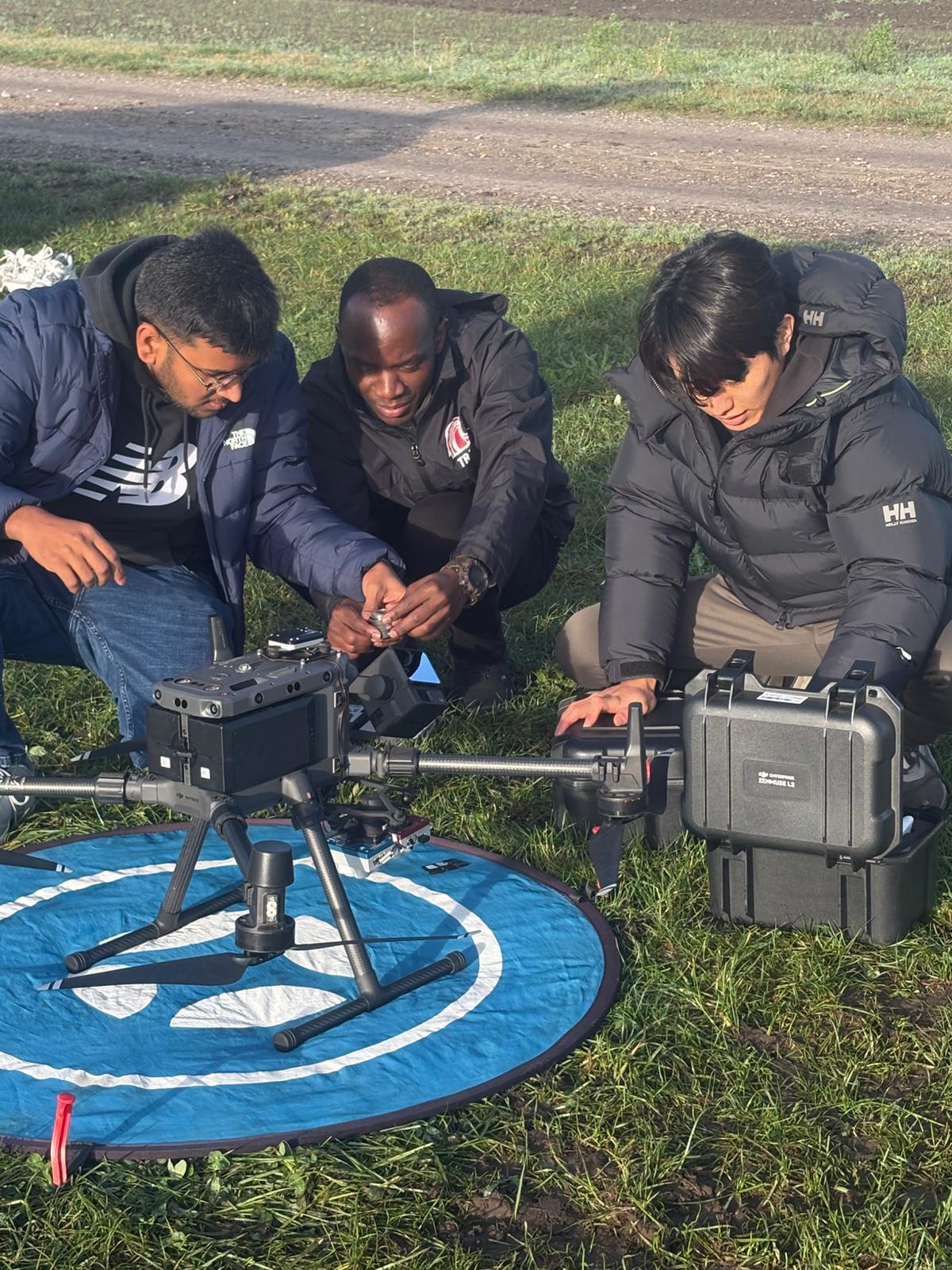
AvailableI design and execute UAV data-collection campaigns, preprocess high-resolution multispectral and RGB imagery, perform image segmentation and feature extraction, and develop machine learning regression models validated against ground-truth field measurements collected in Denmark.
The full pipeline runs in Python (Google Colab), with orthomosaics and vegetation indices generated in Pix4D and QGIS.
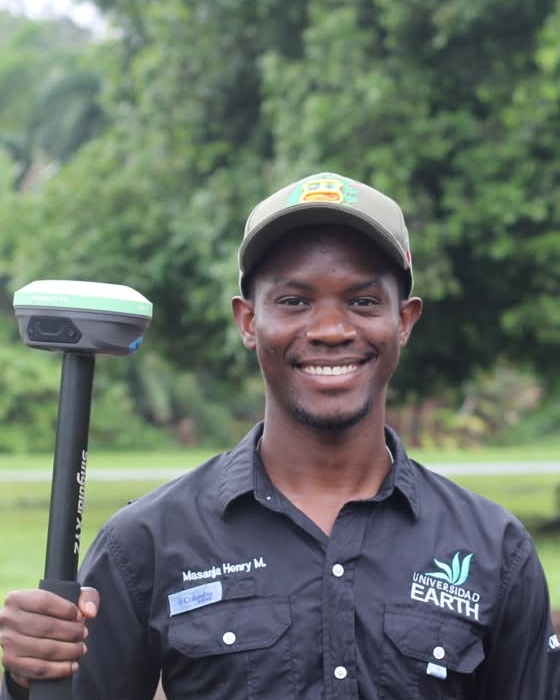
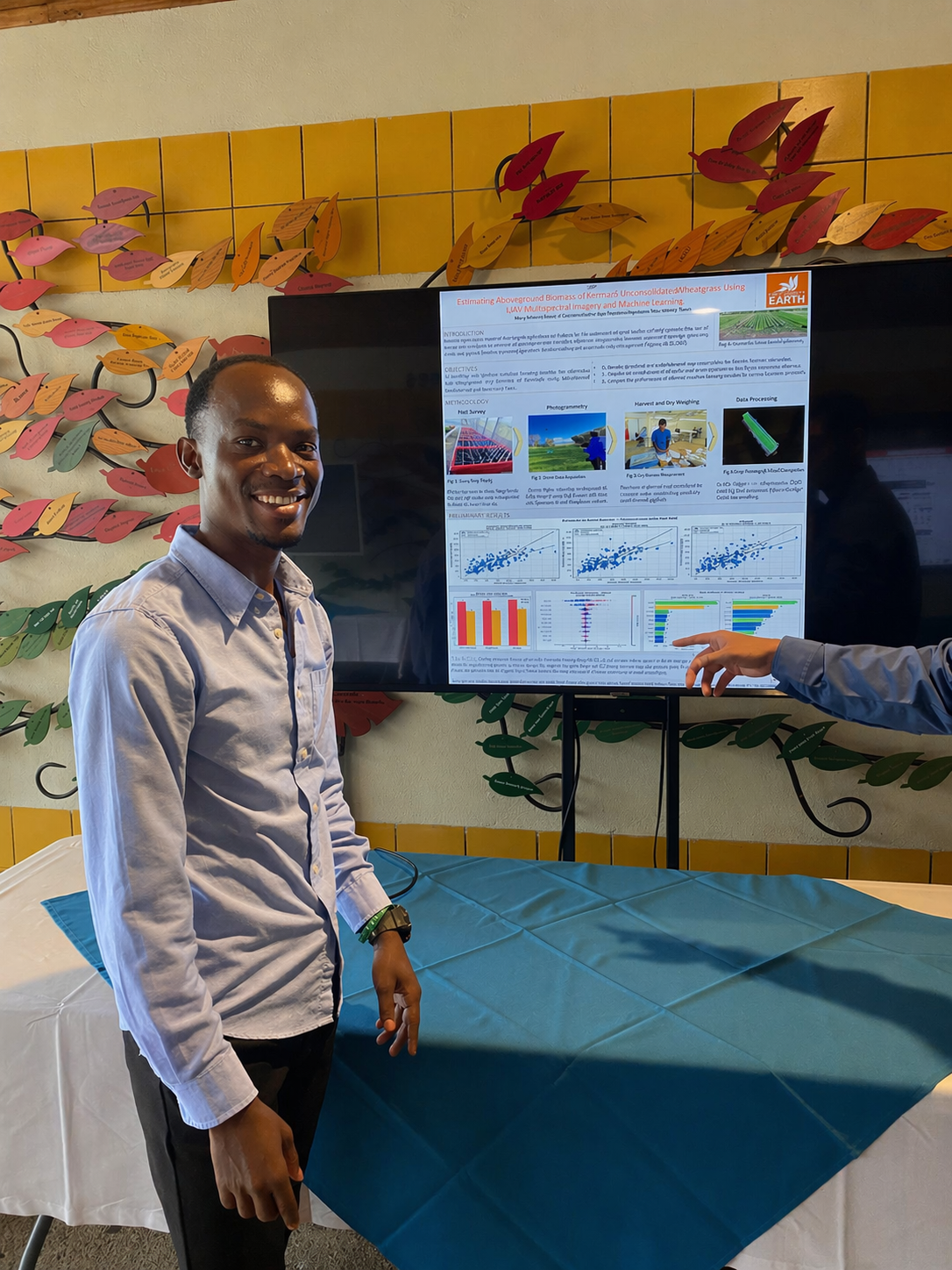
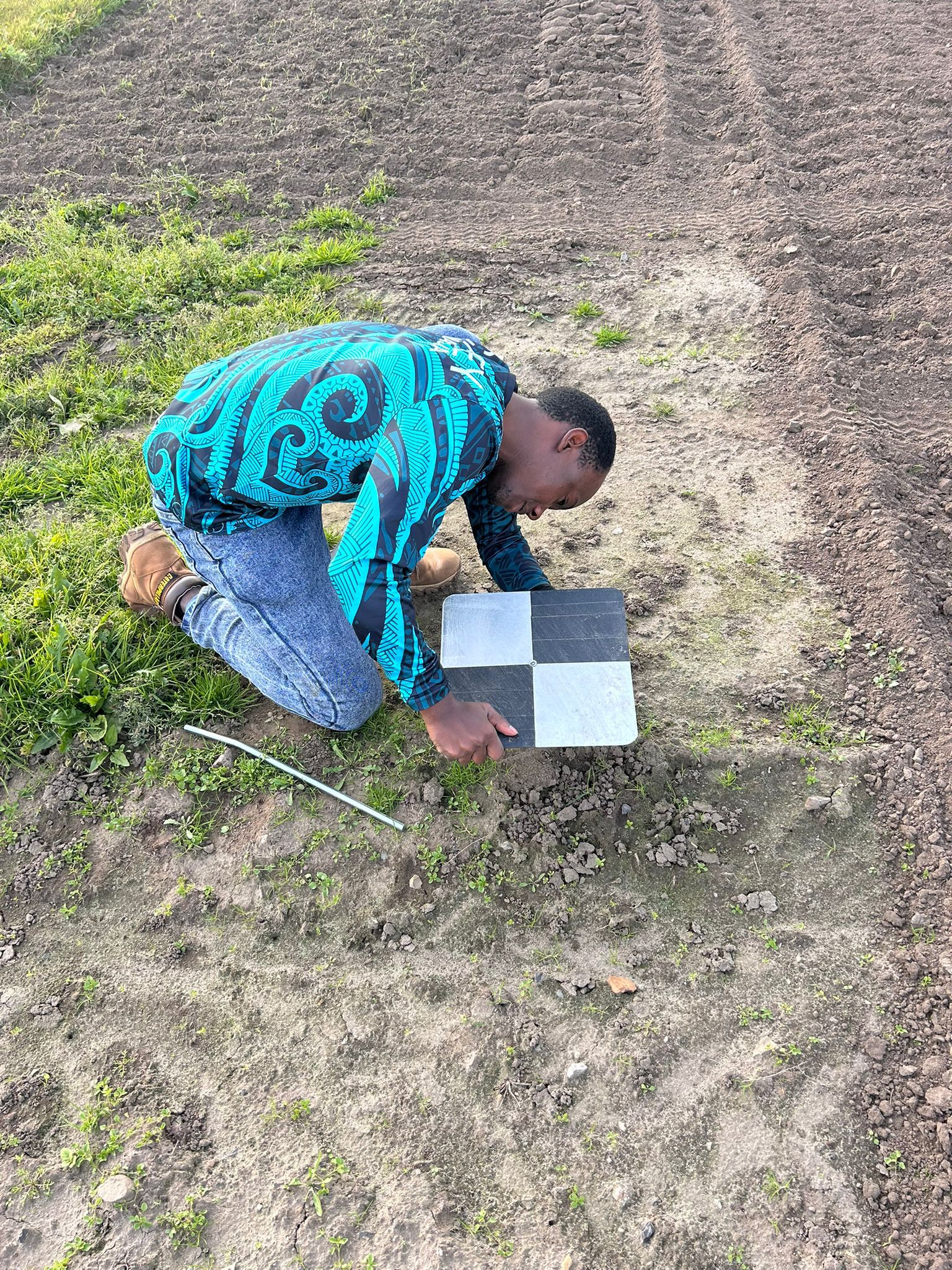
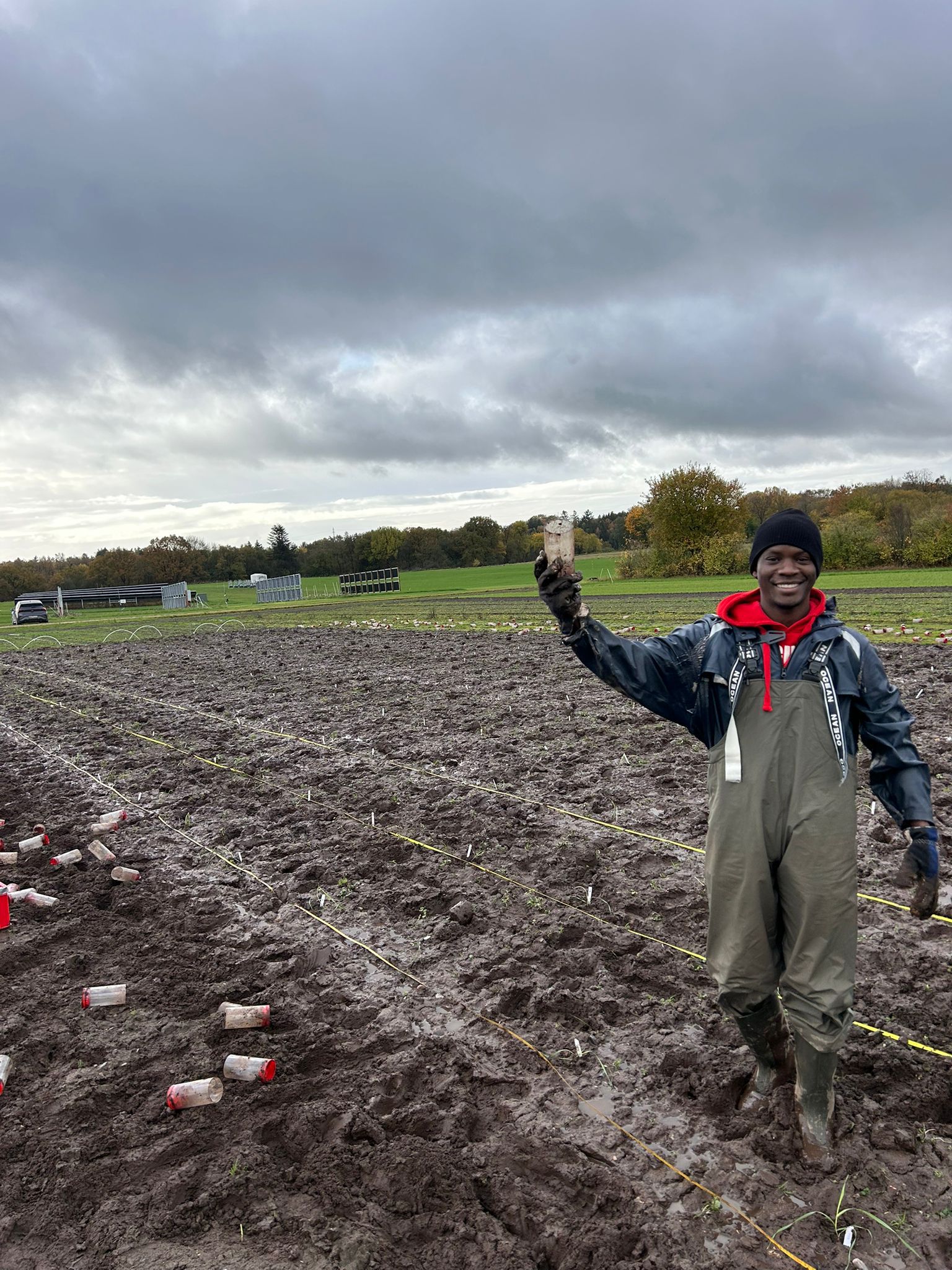
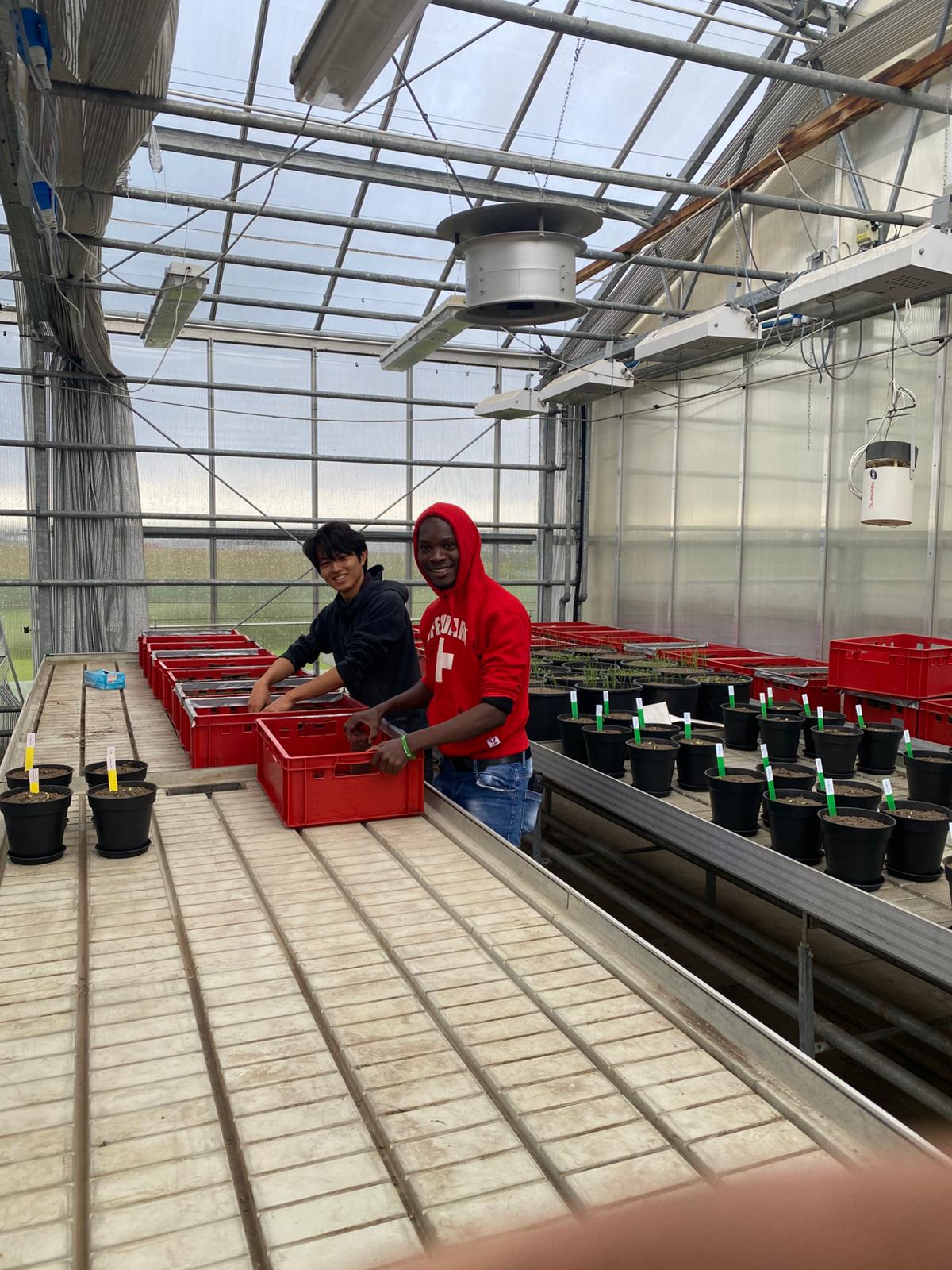
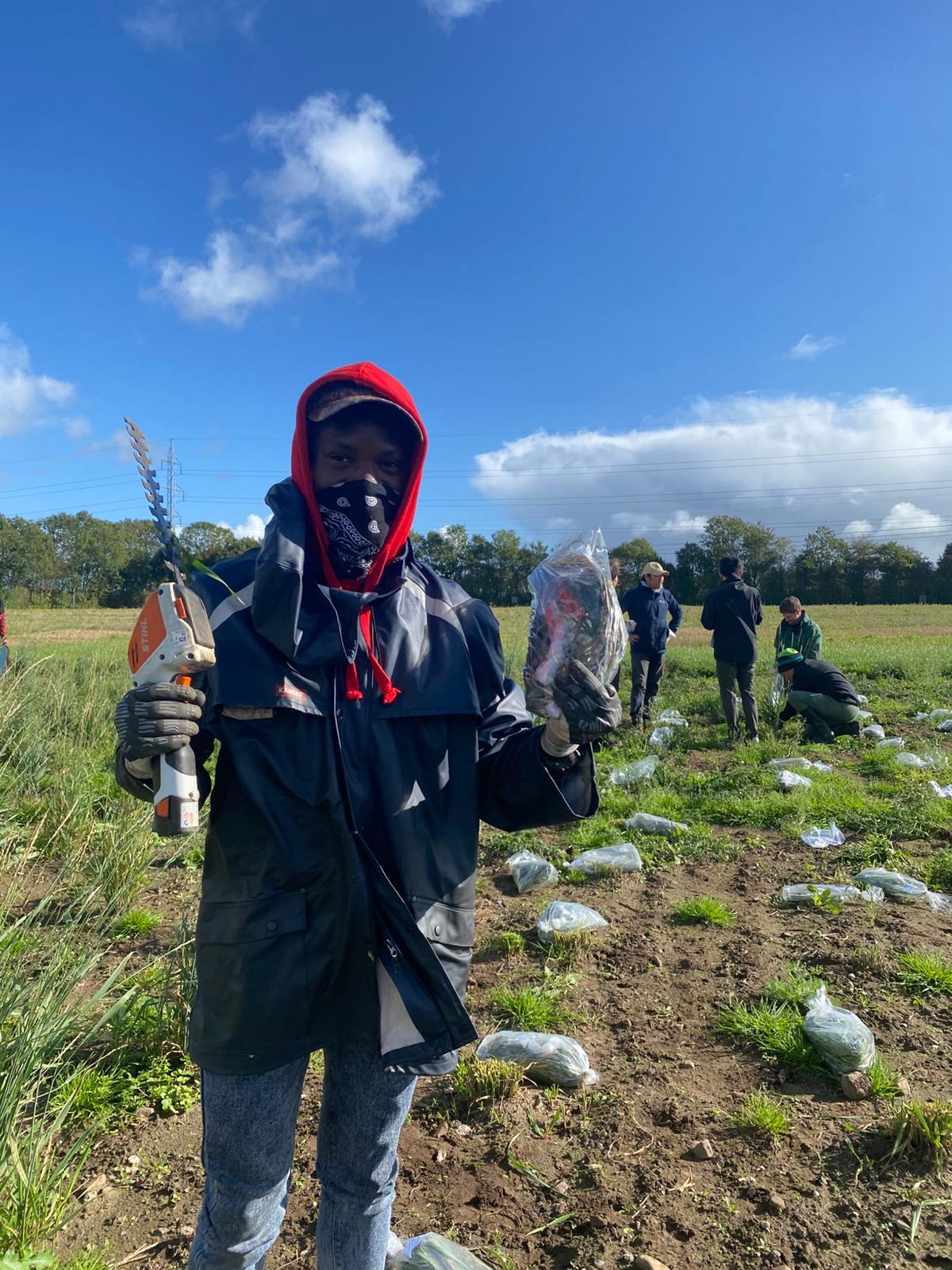
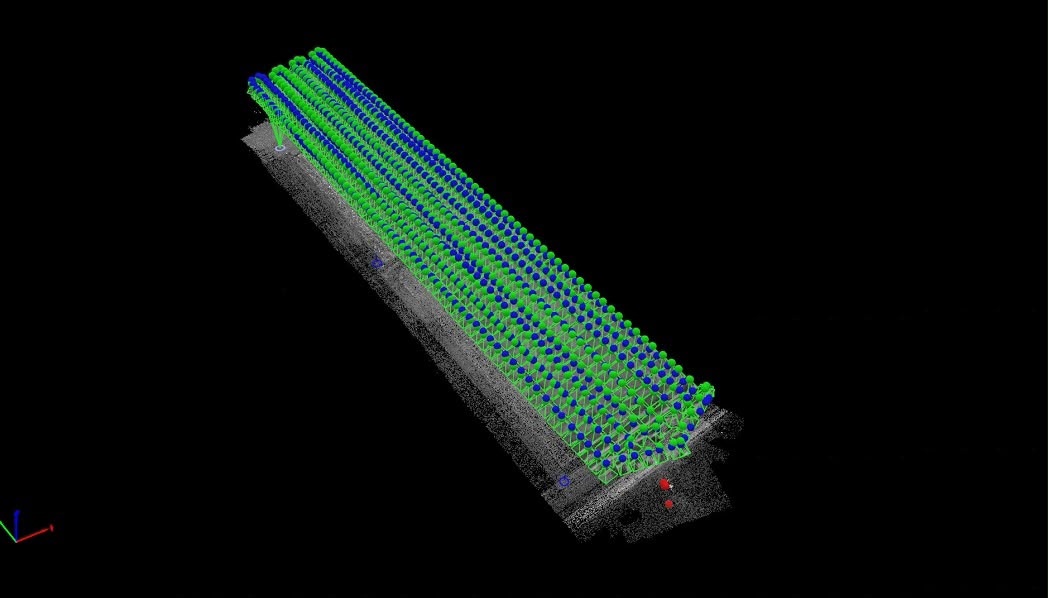
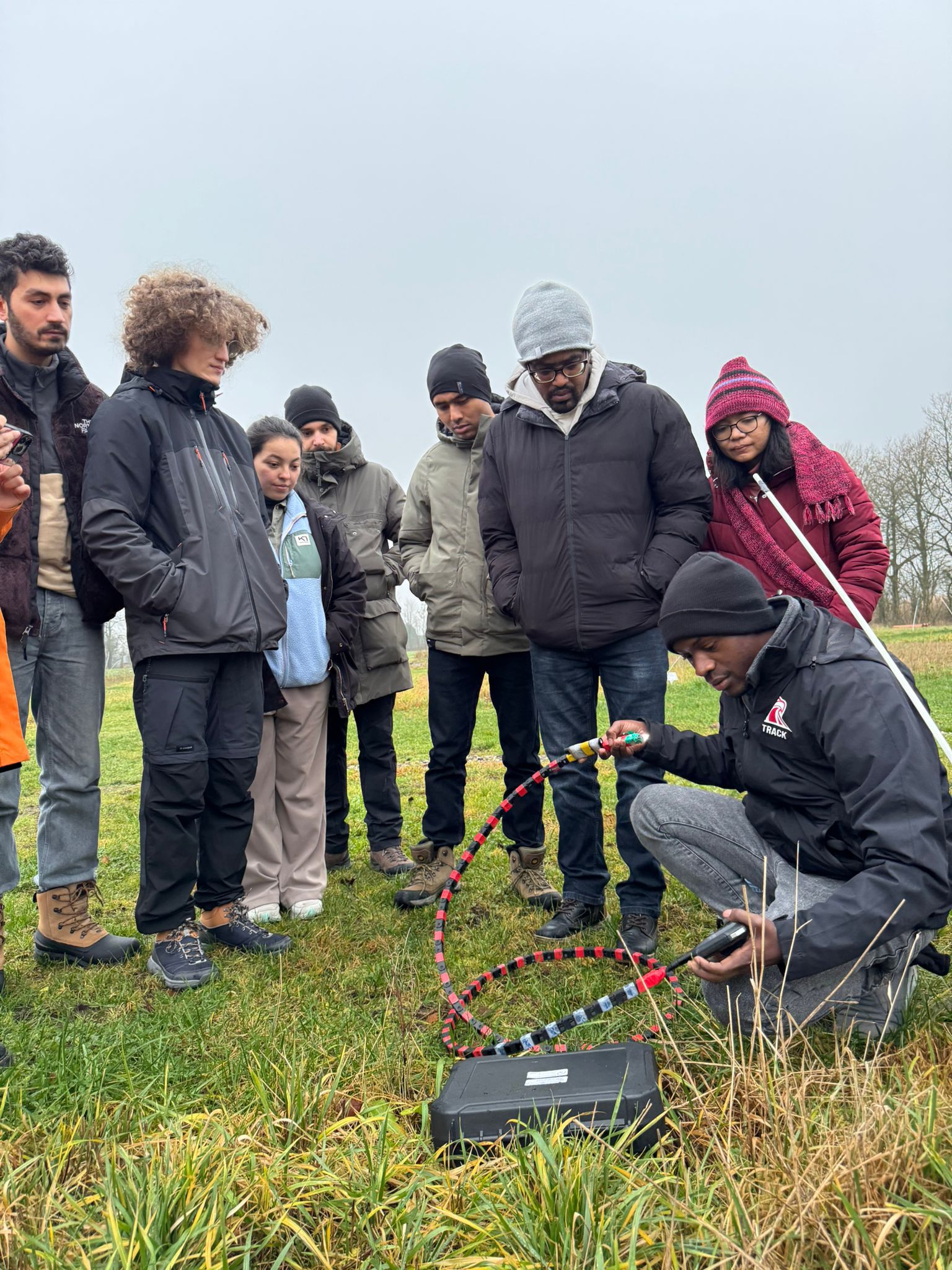
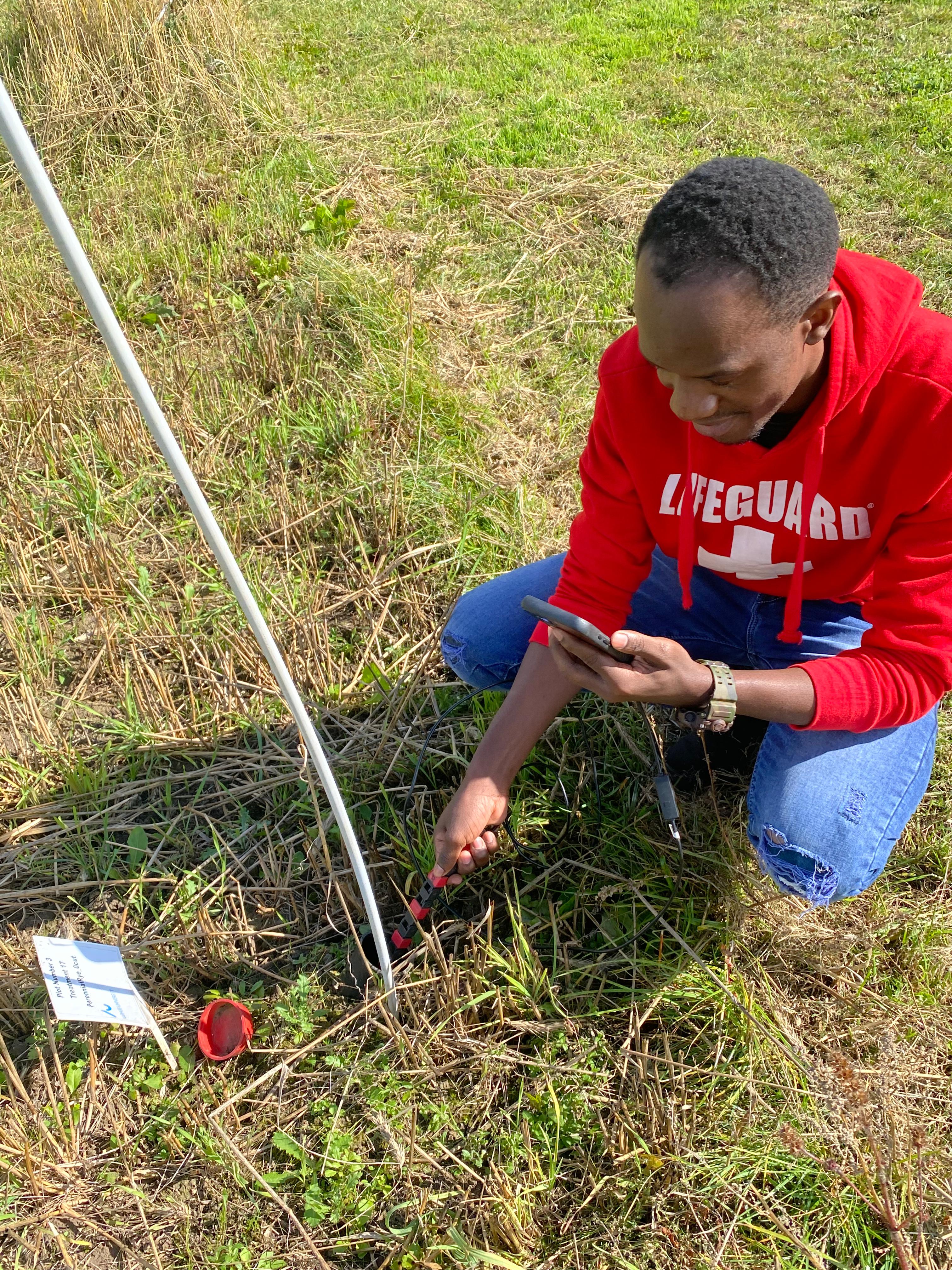
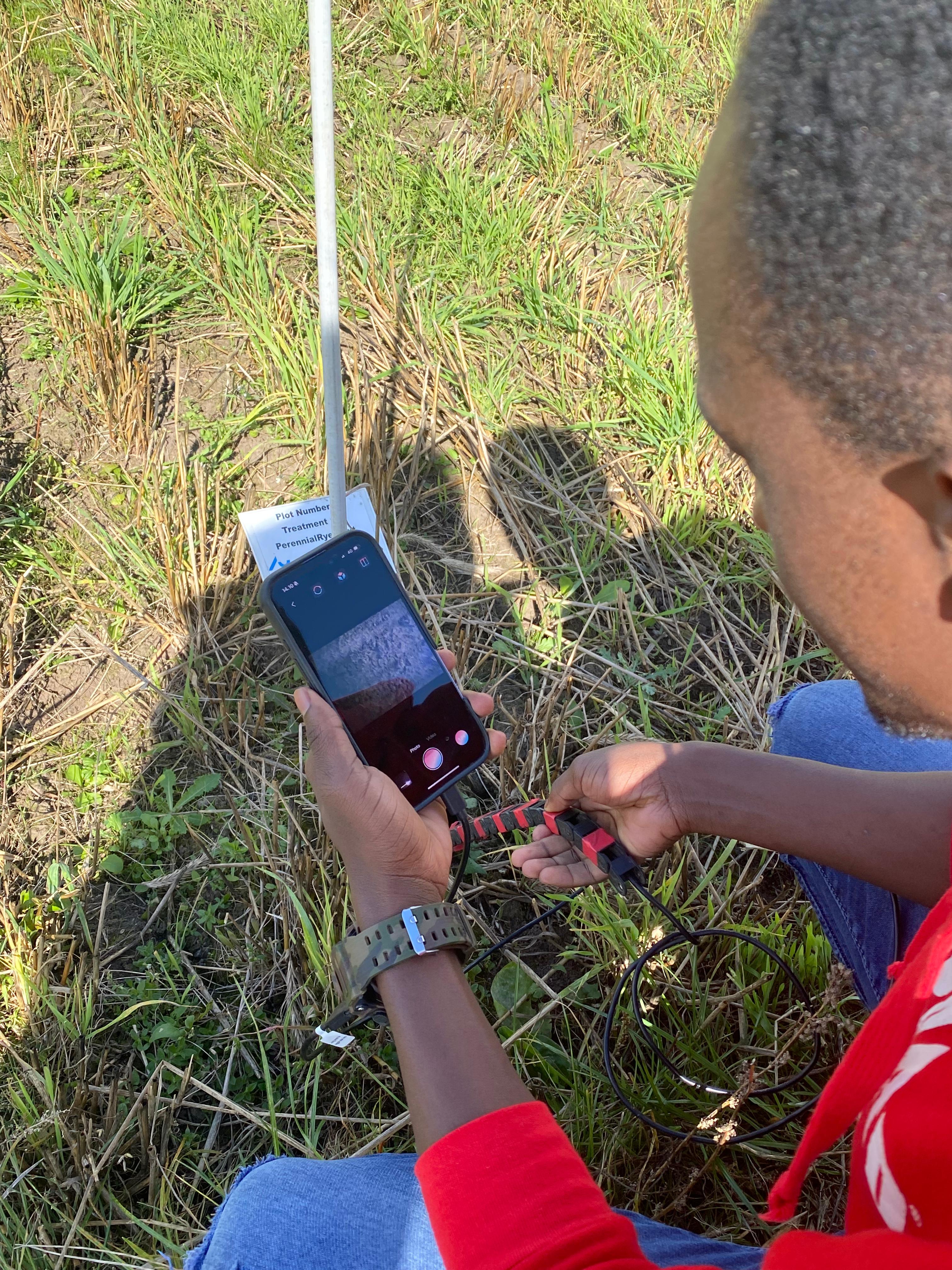
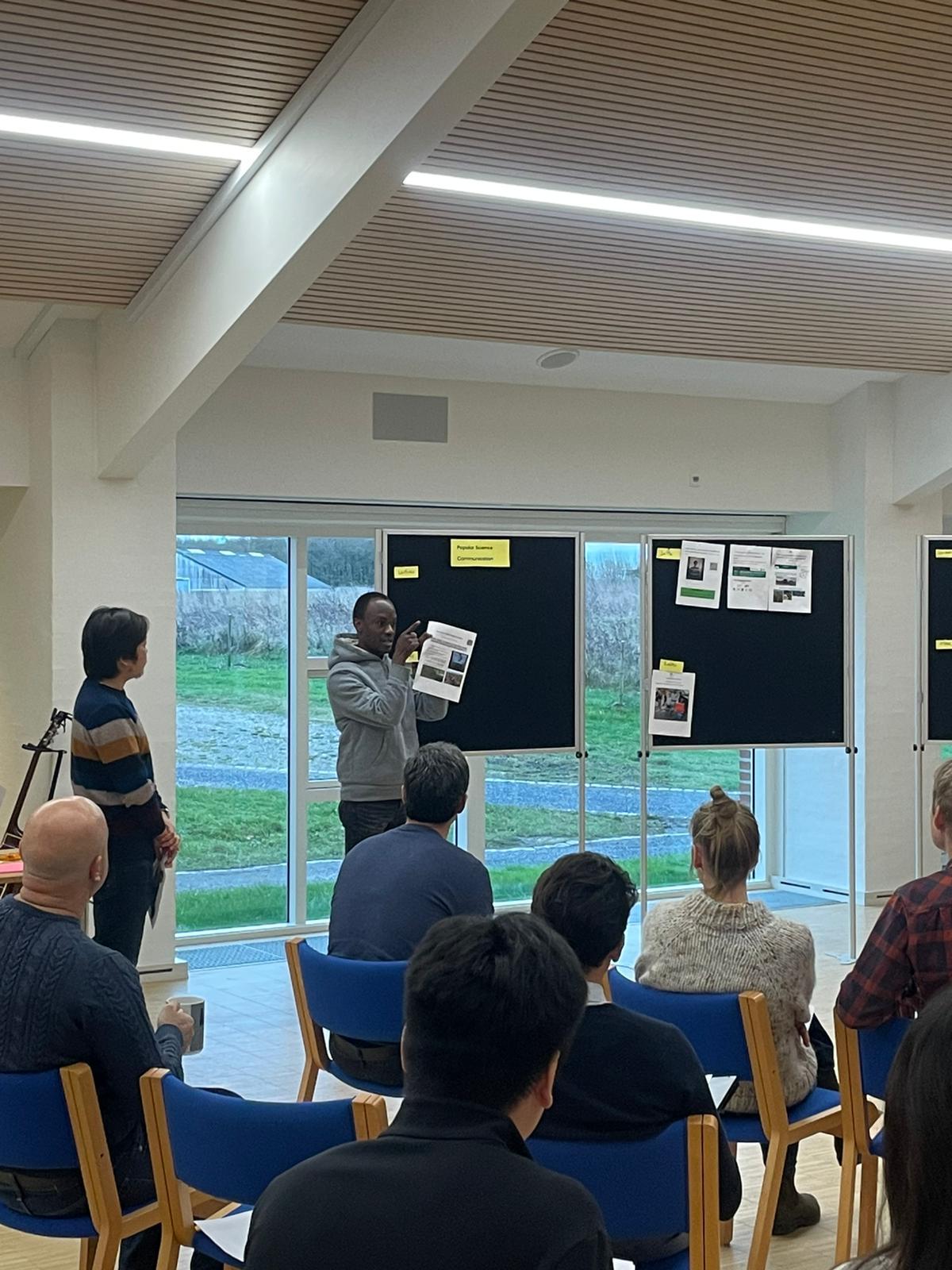
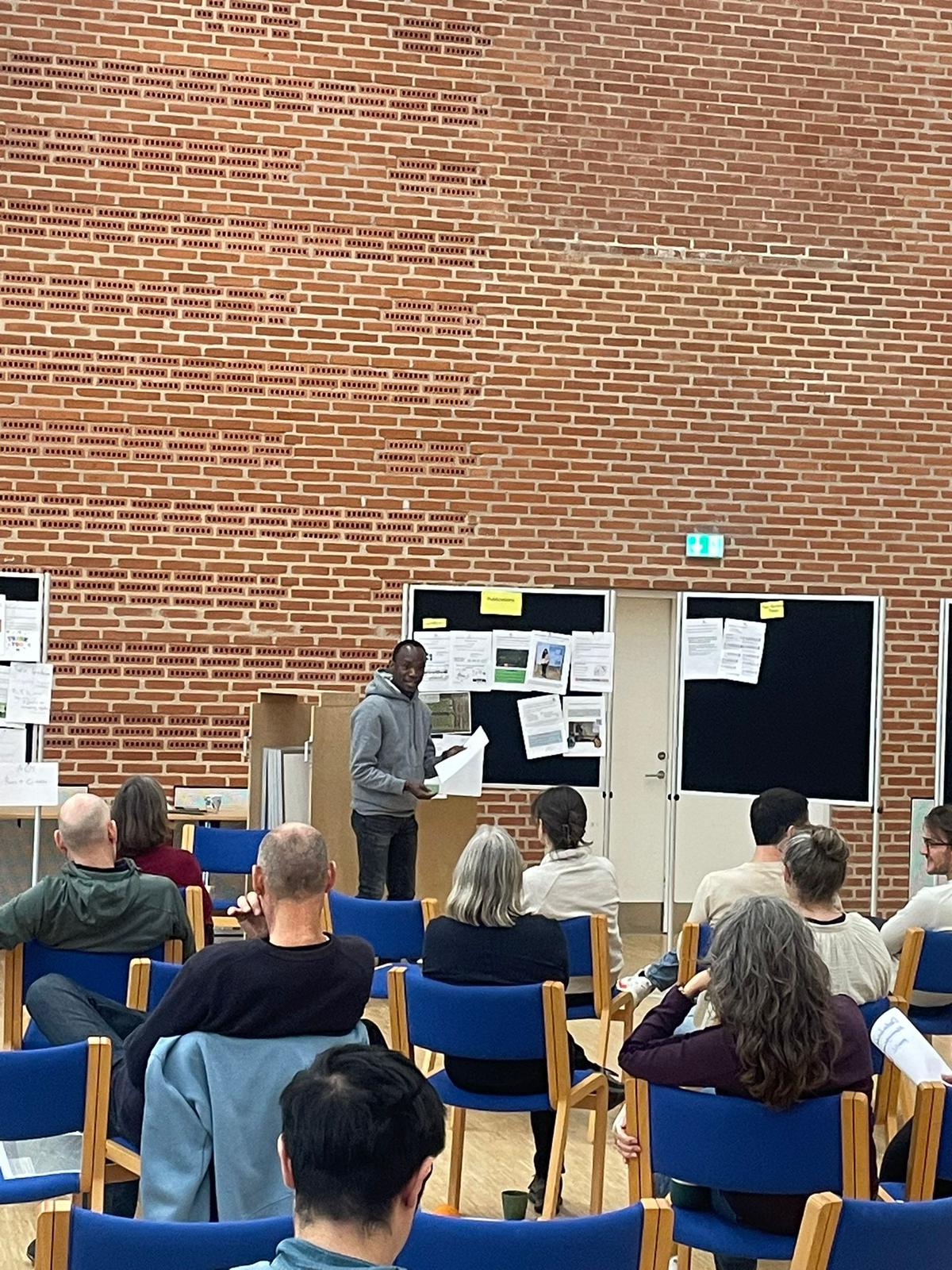
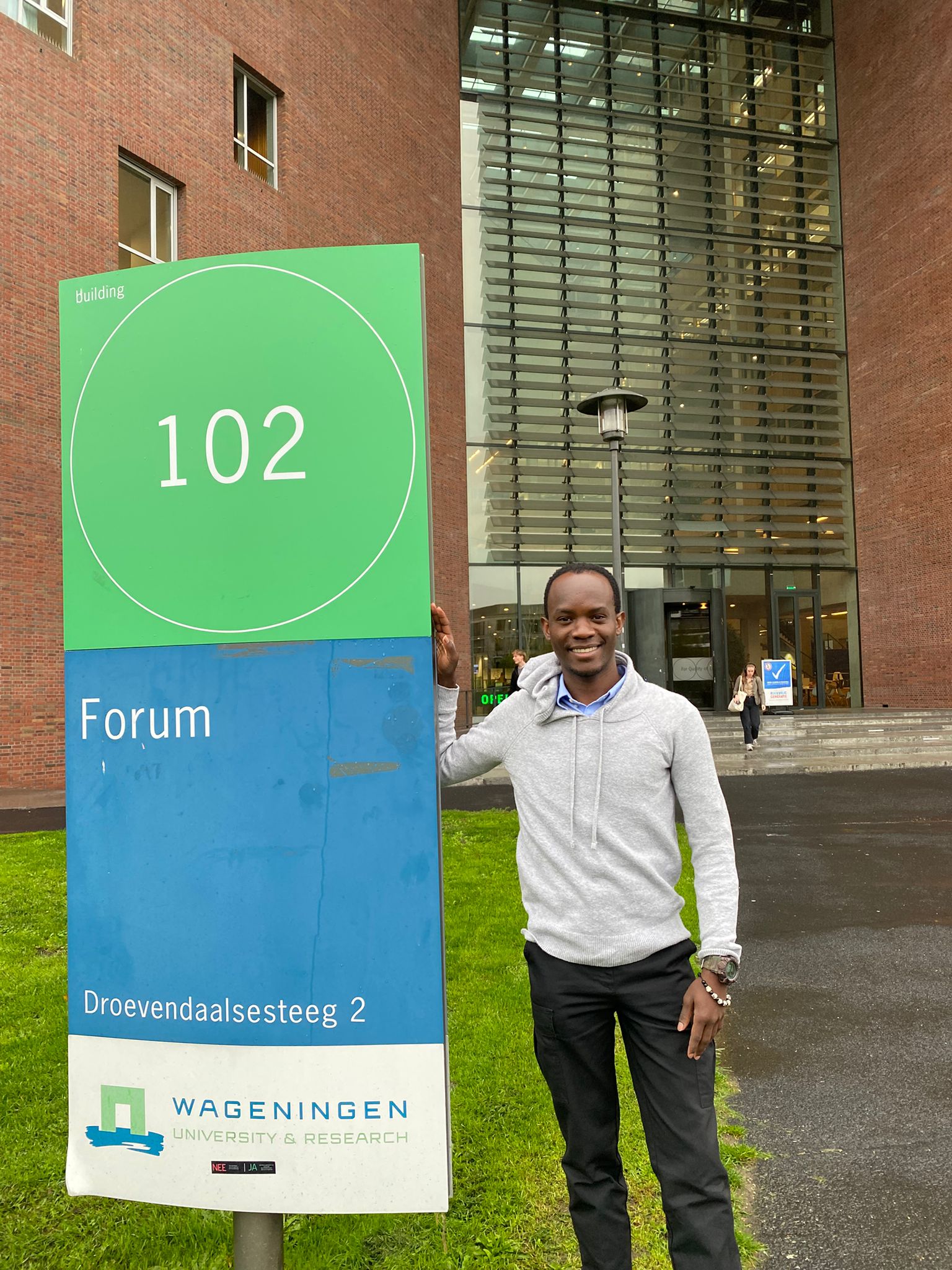
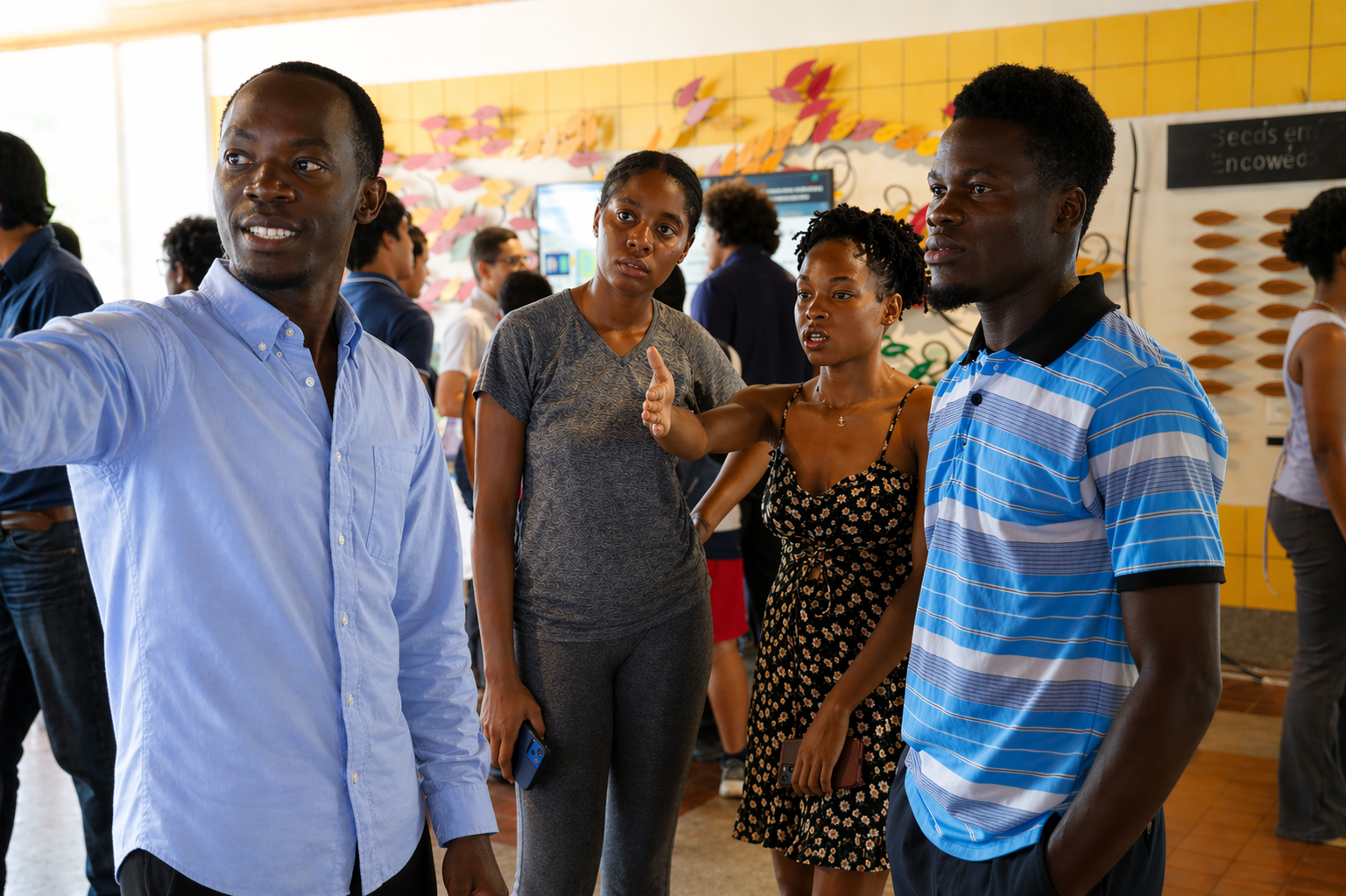
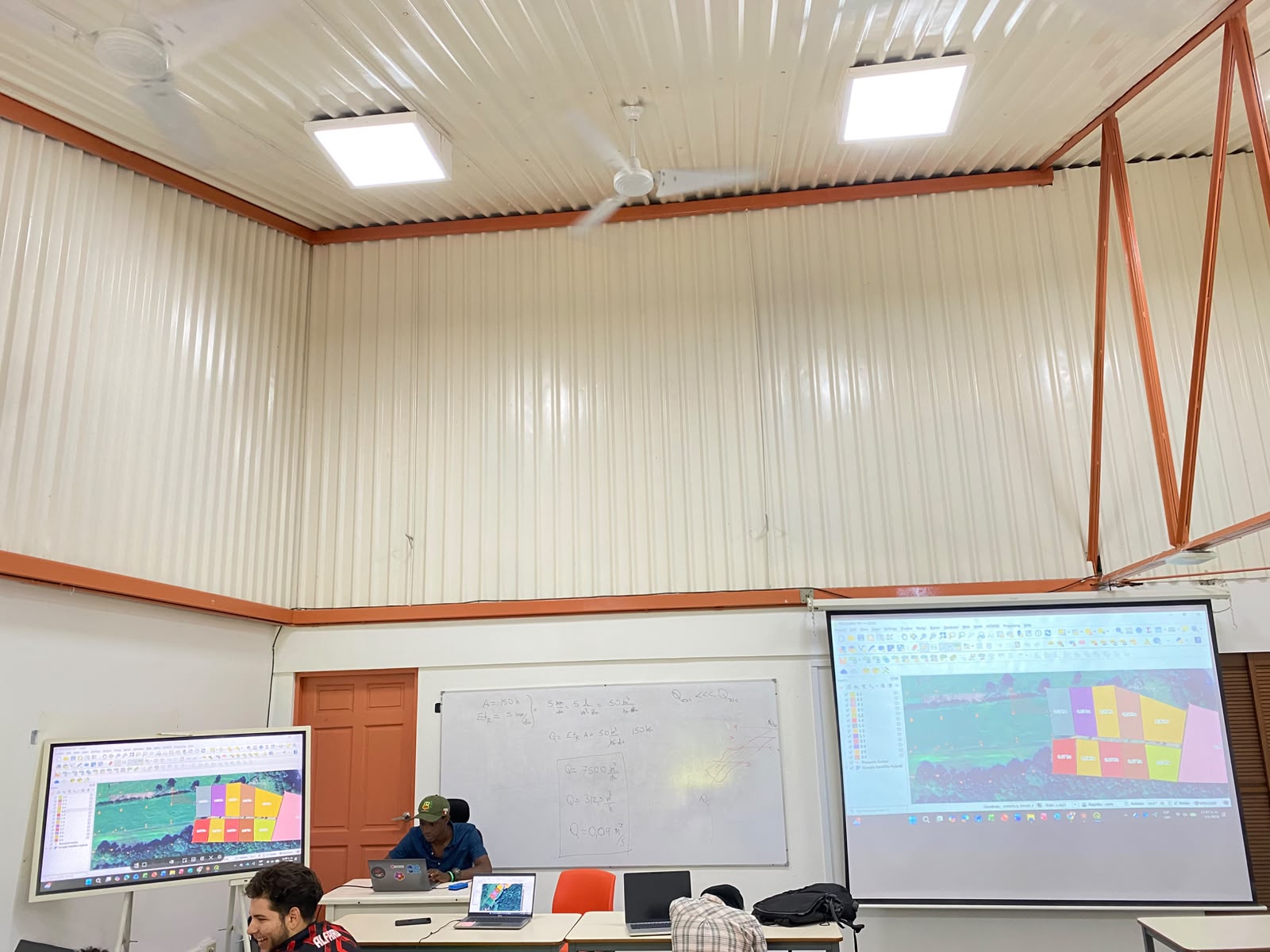
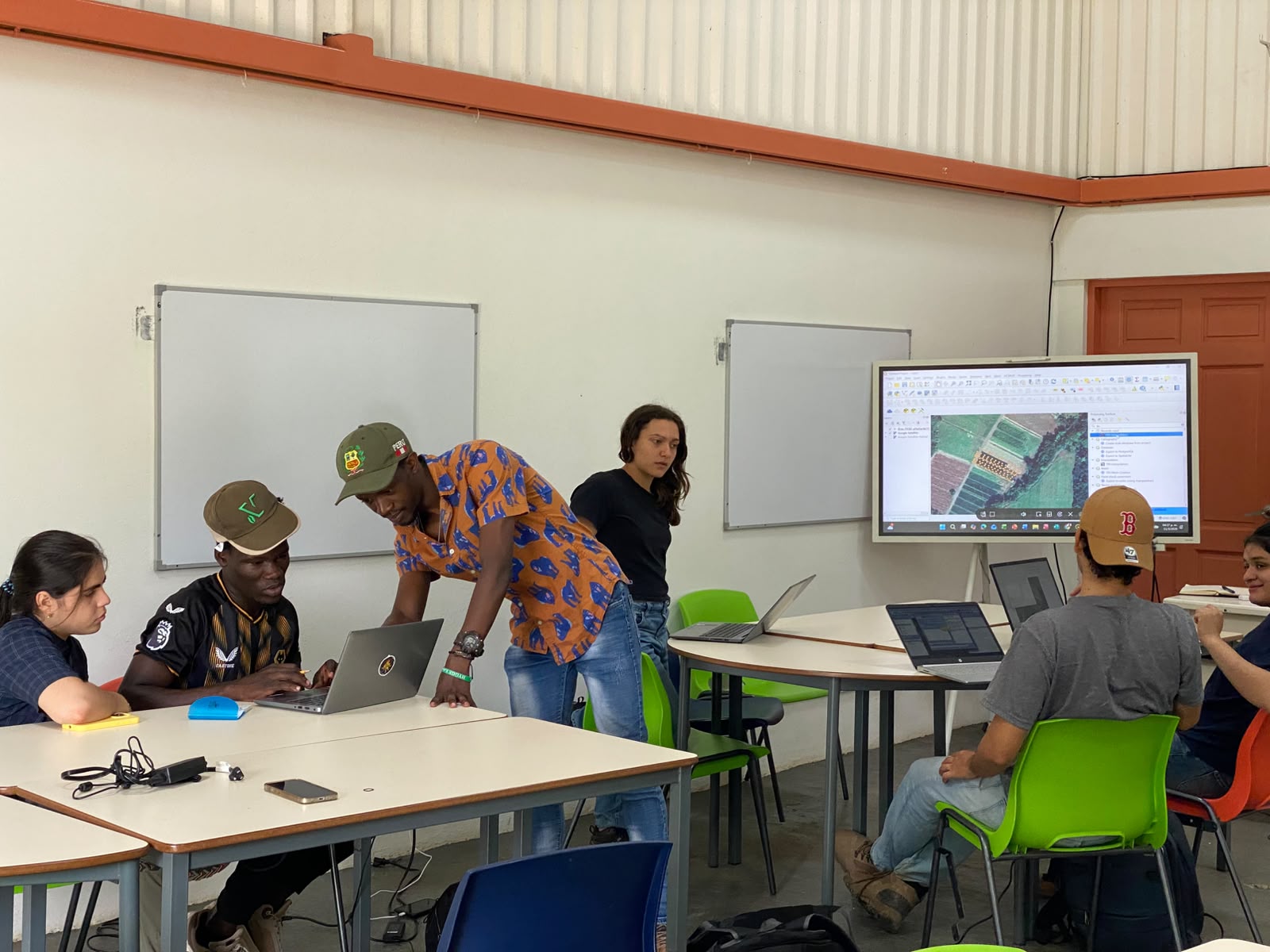
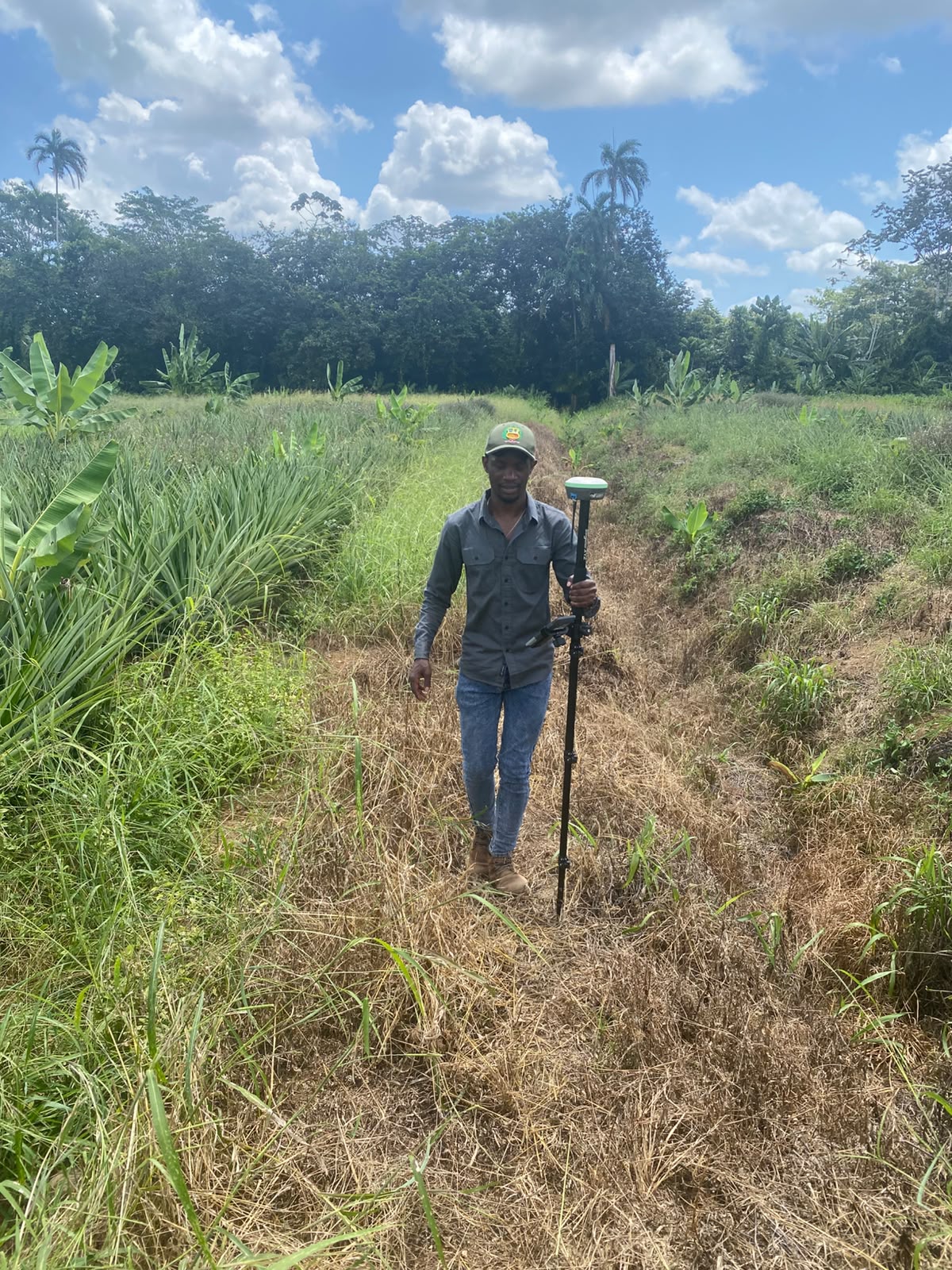
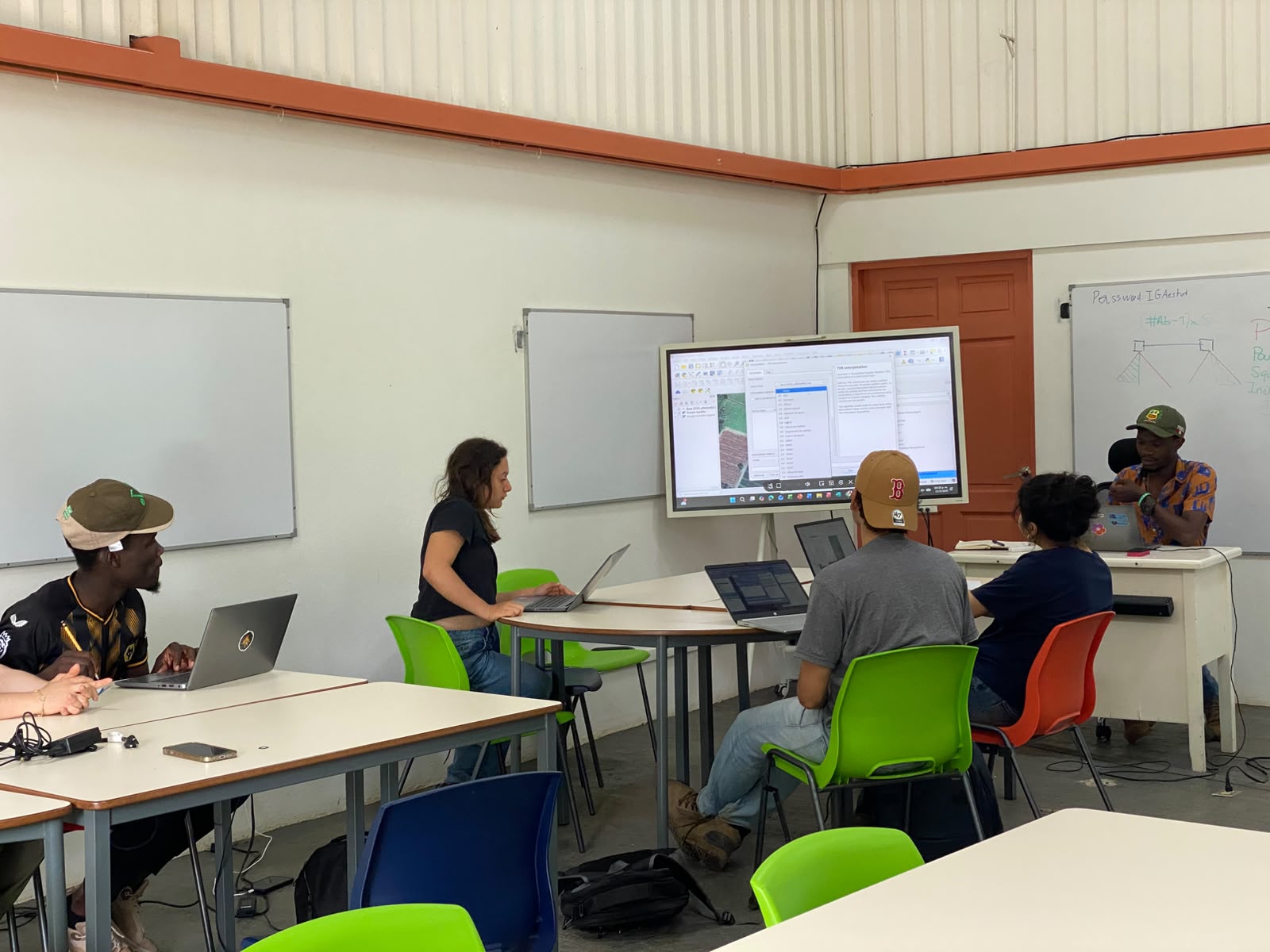
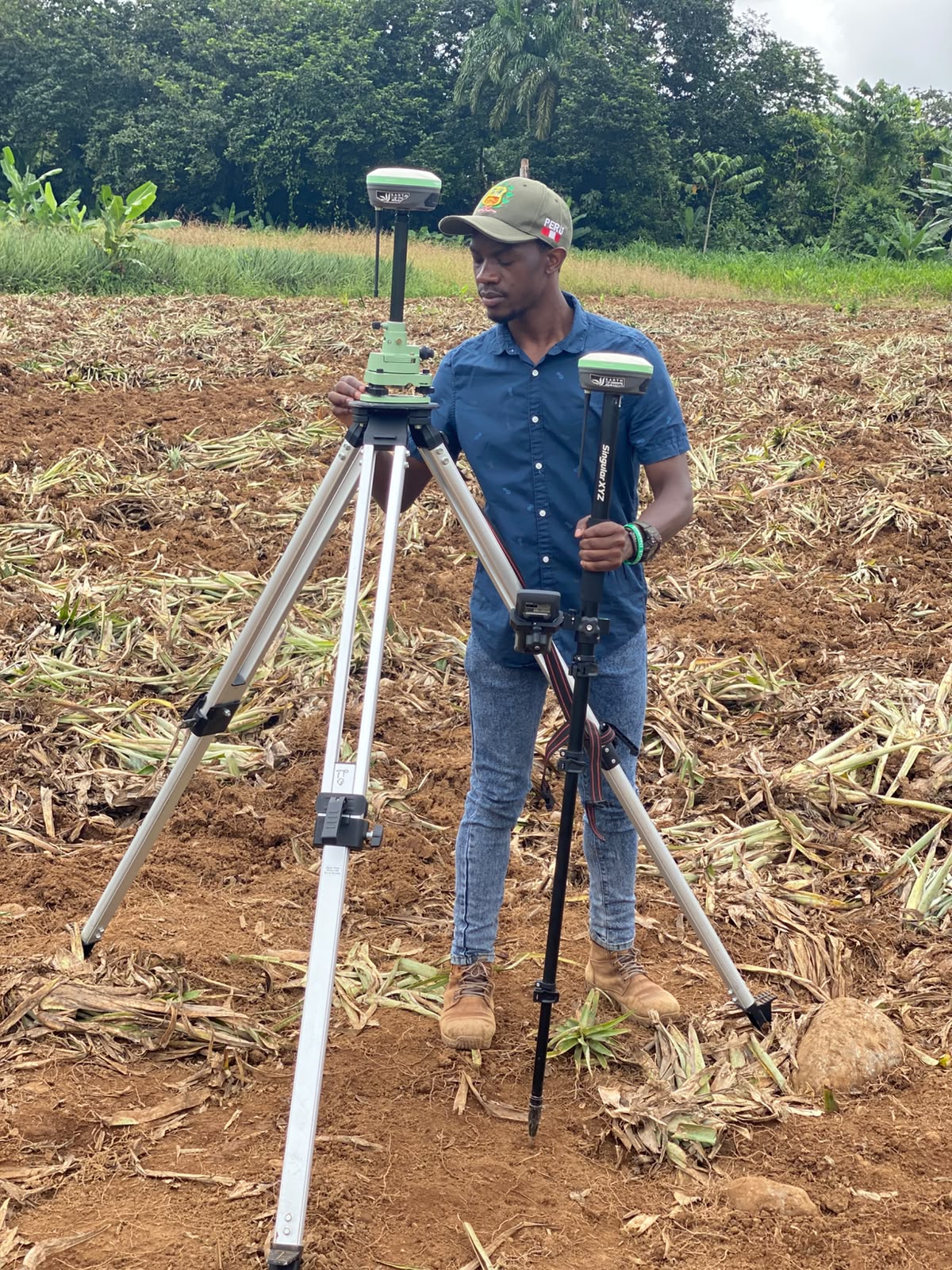
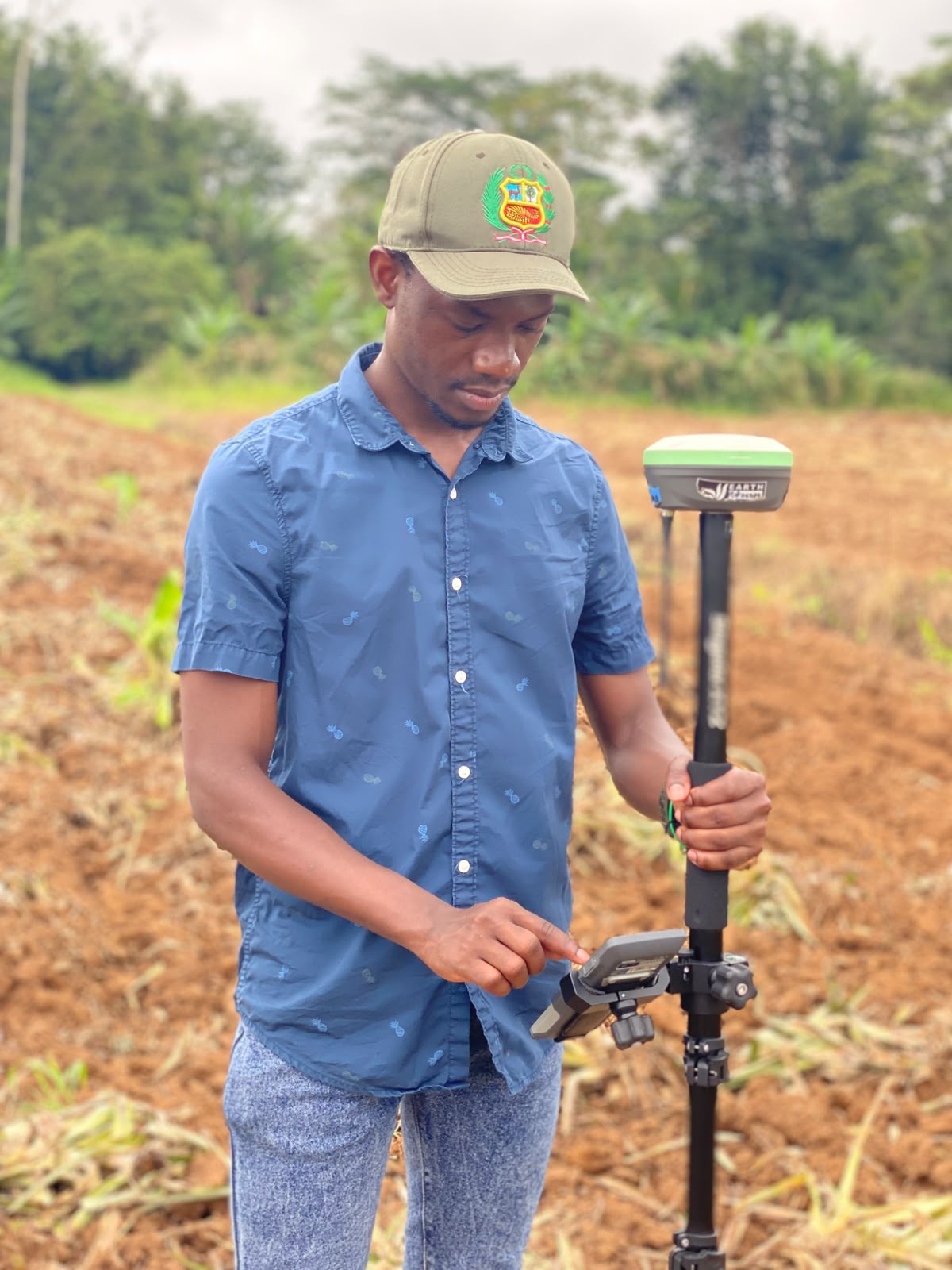
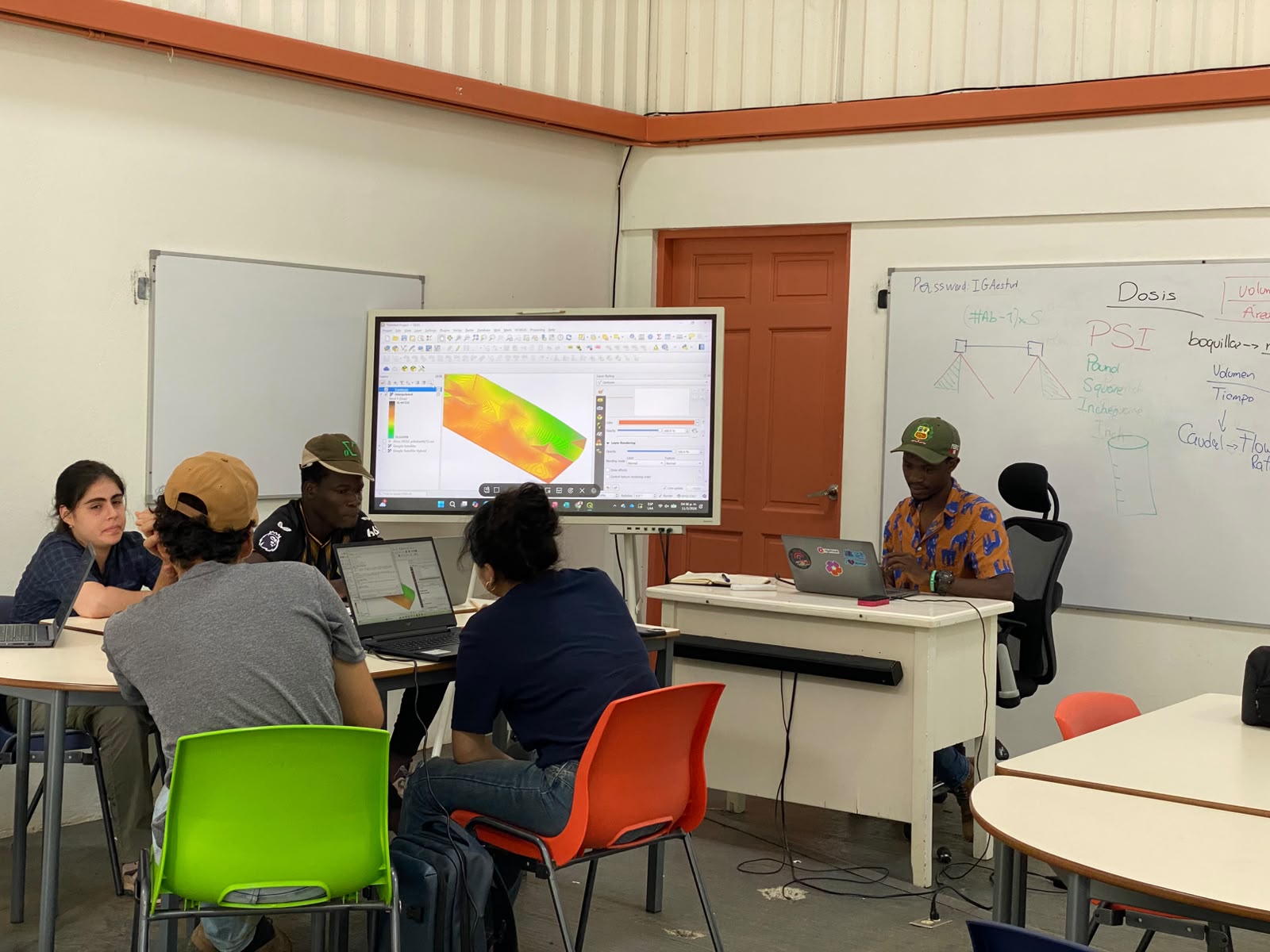
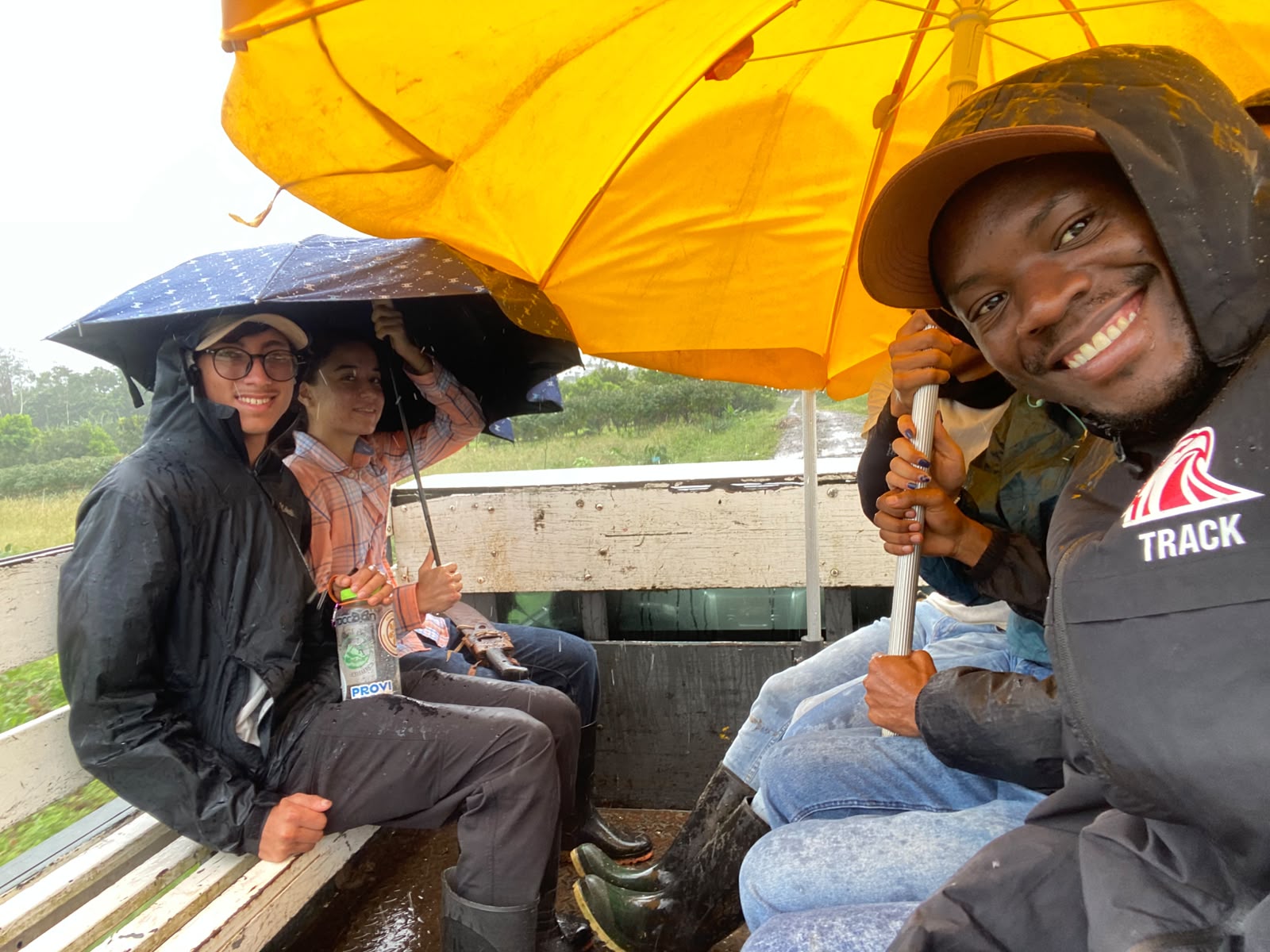
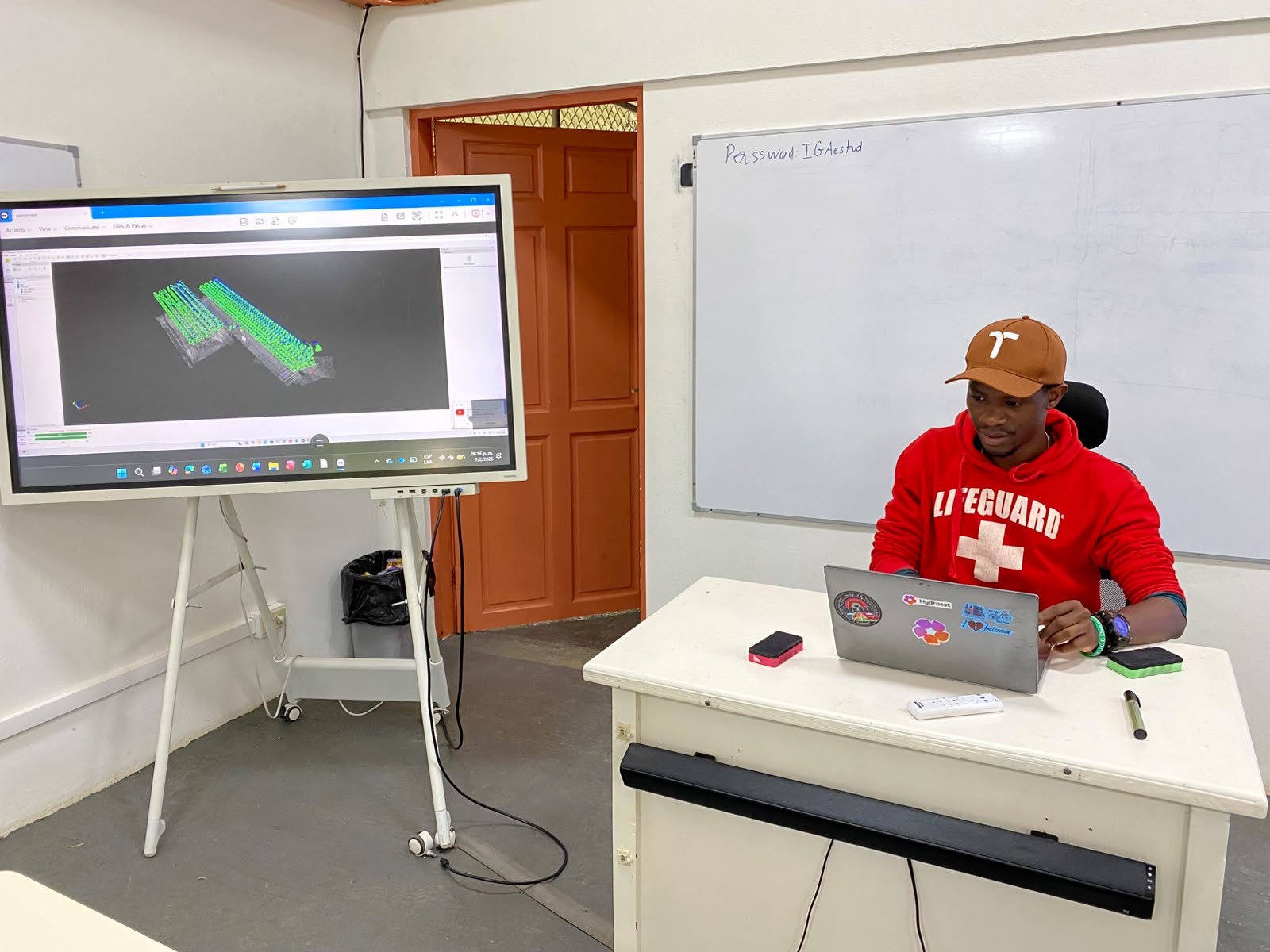
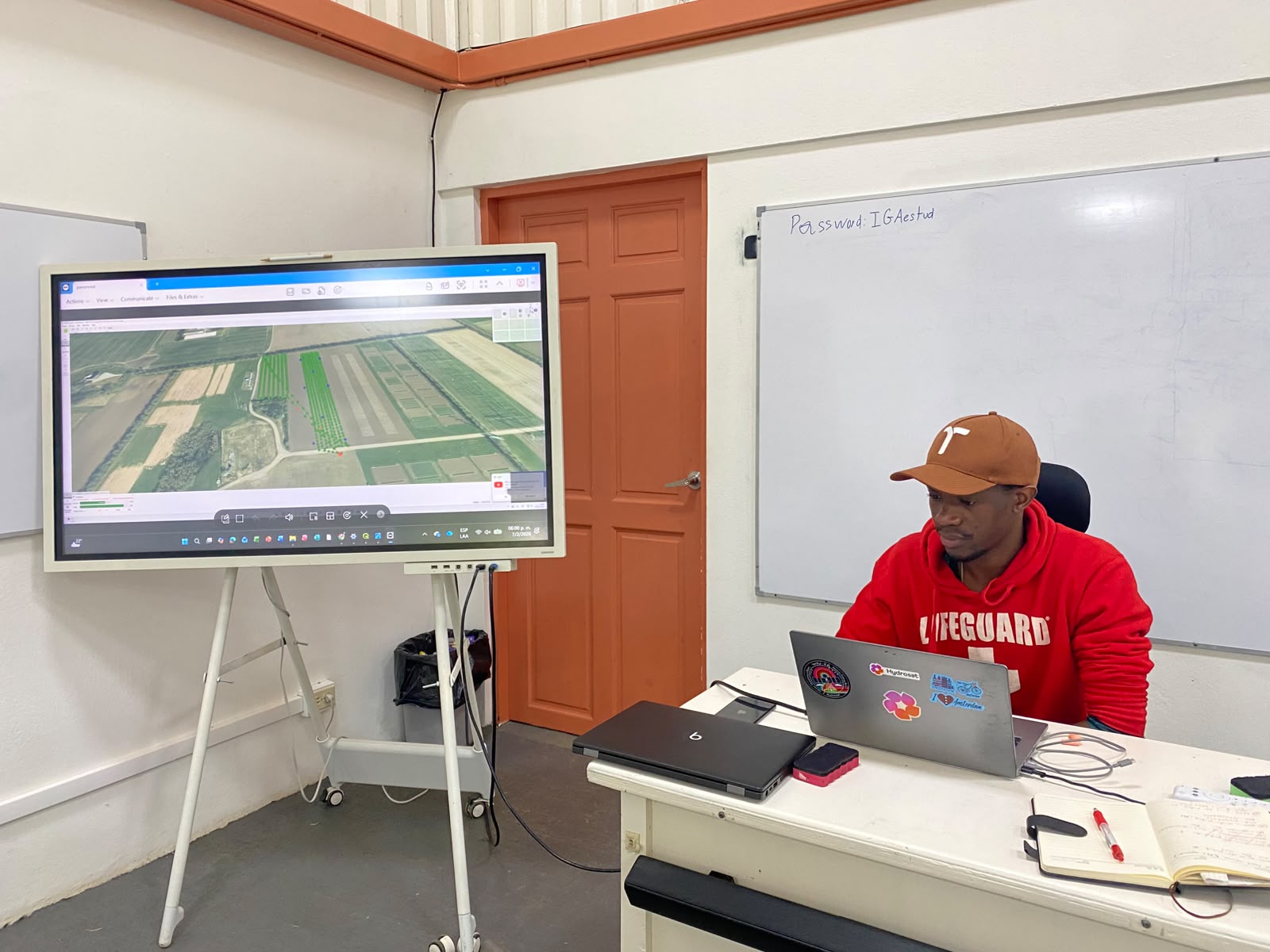
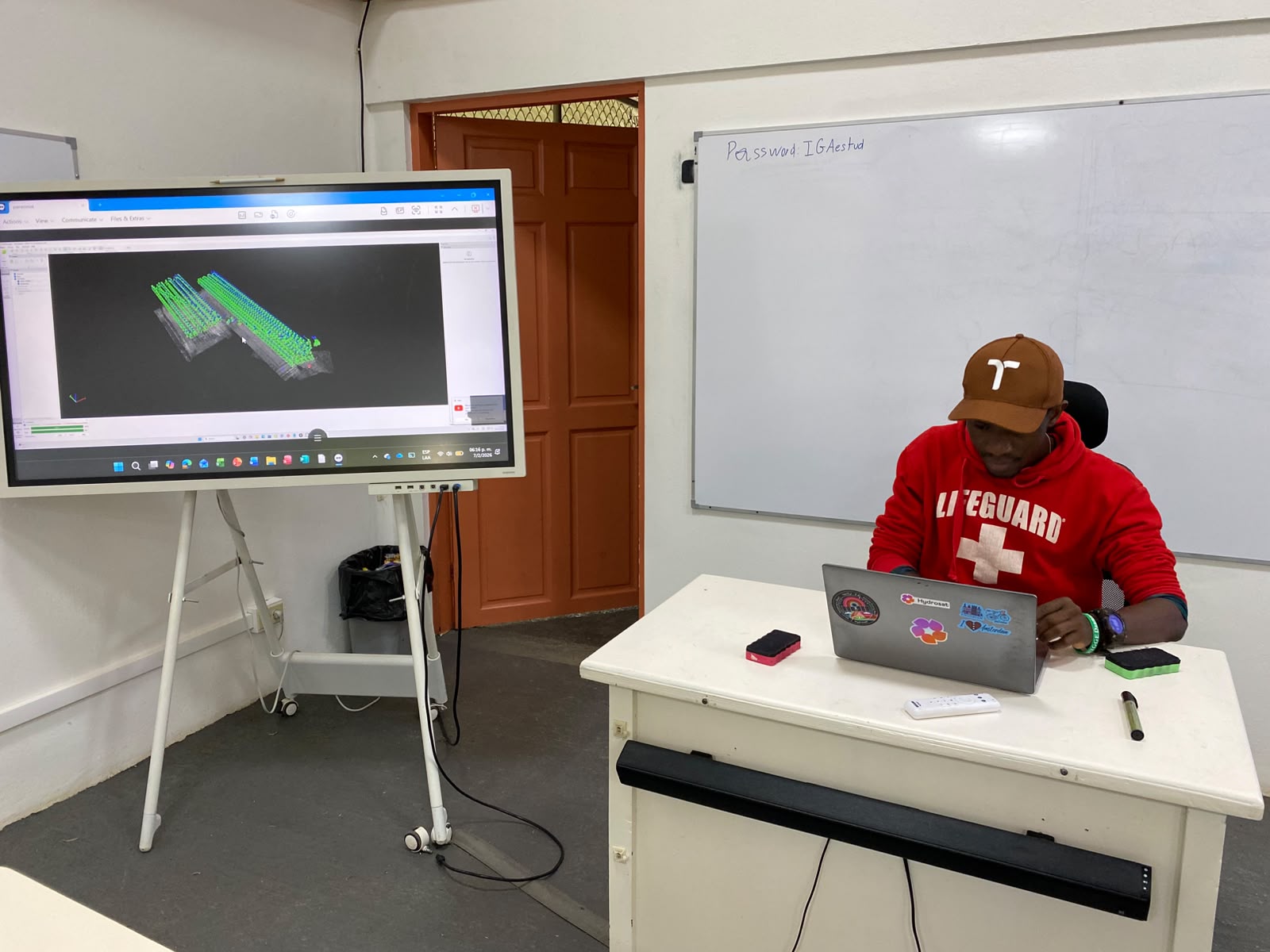
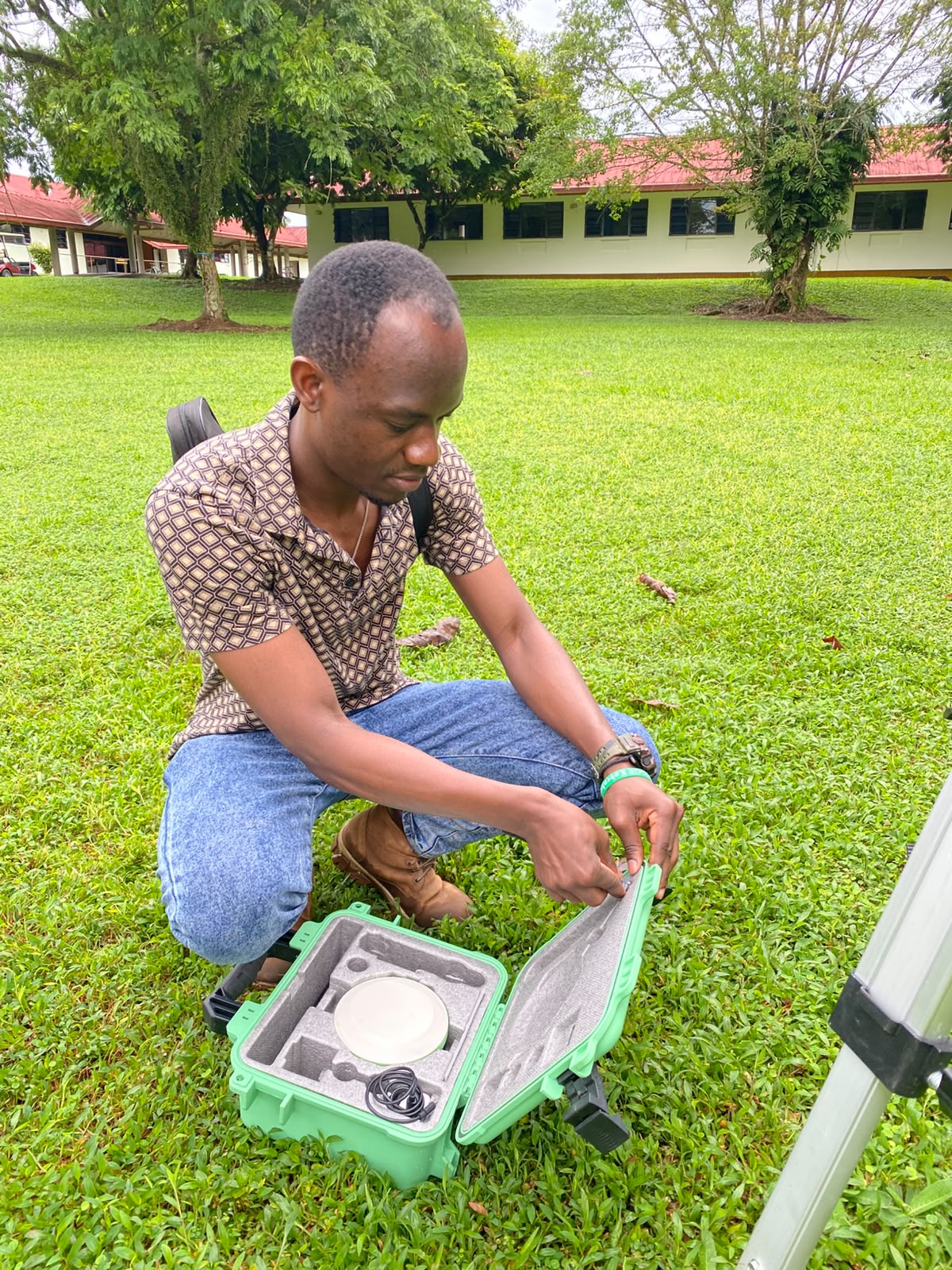
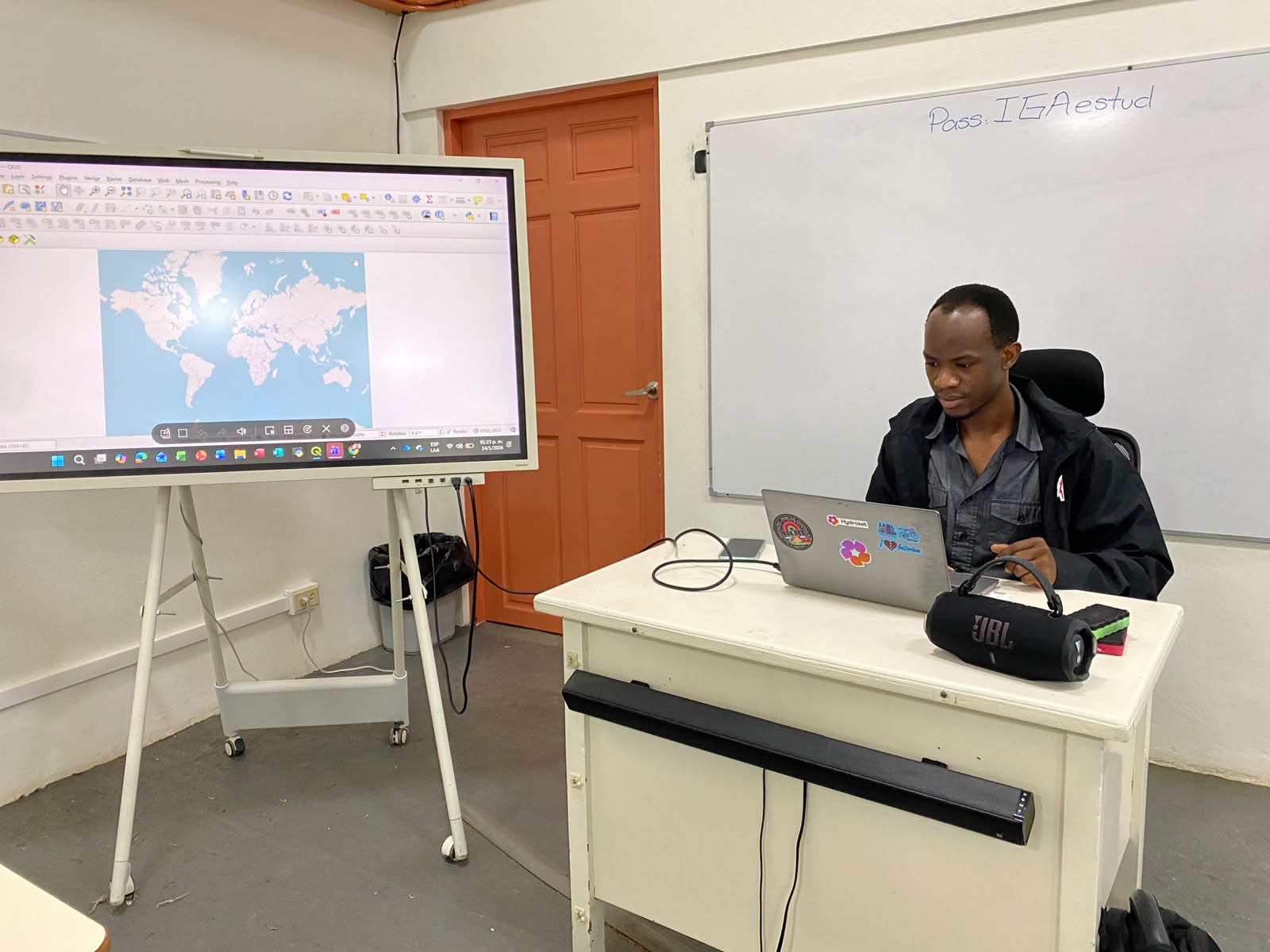
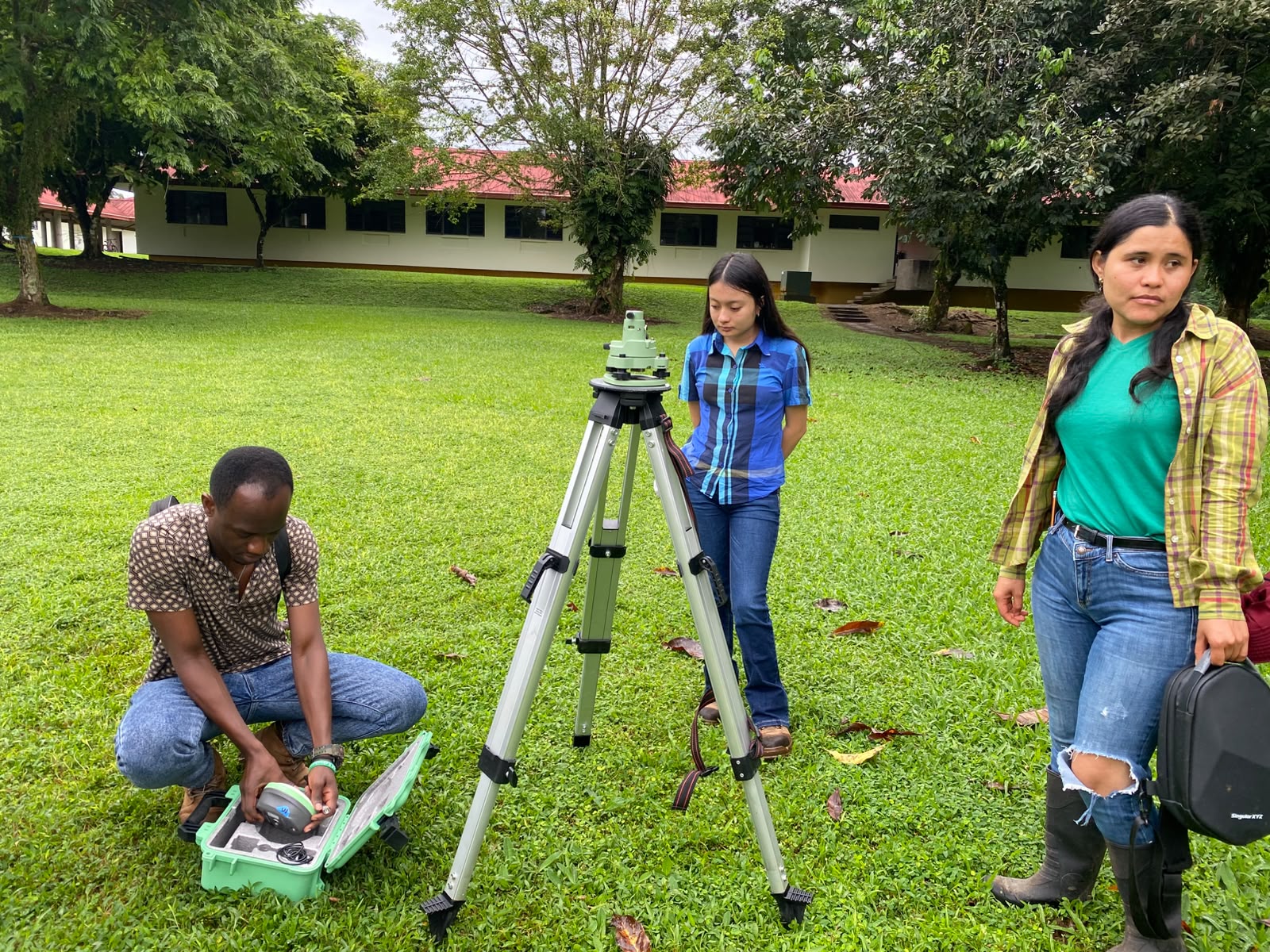
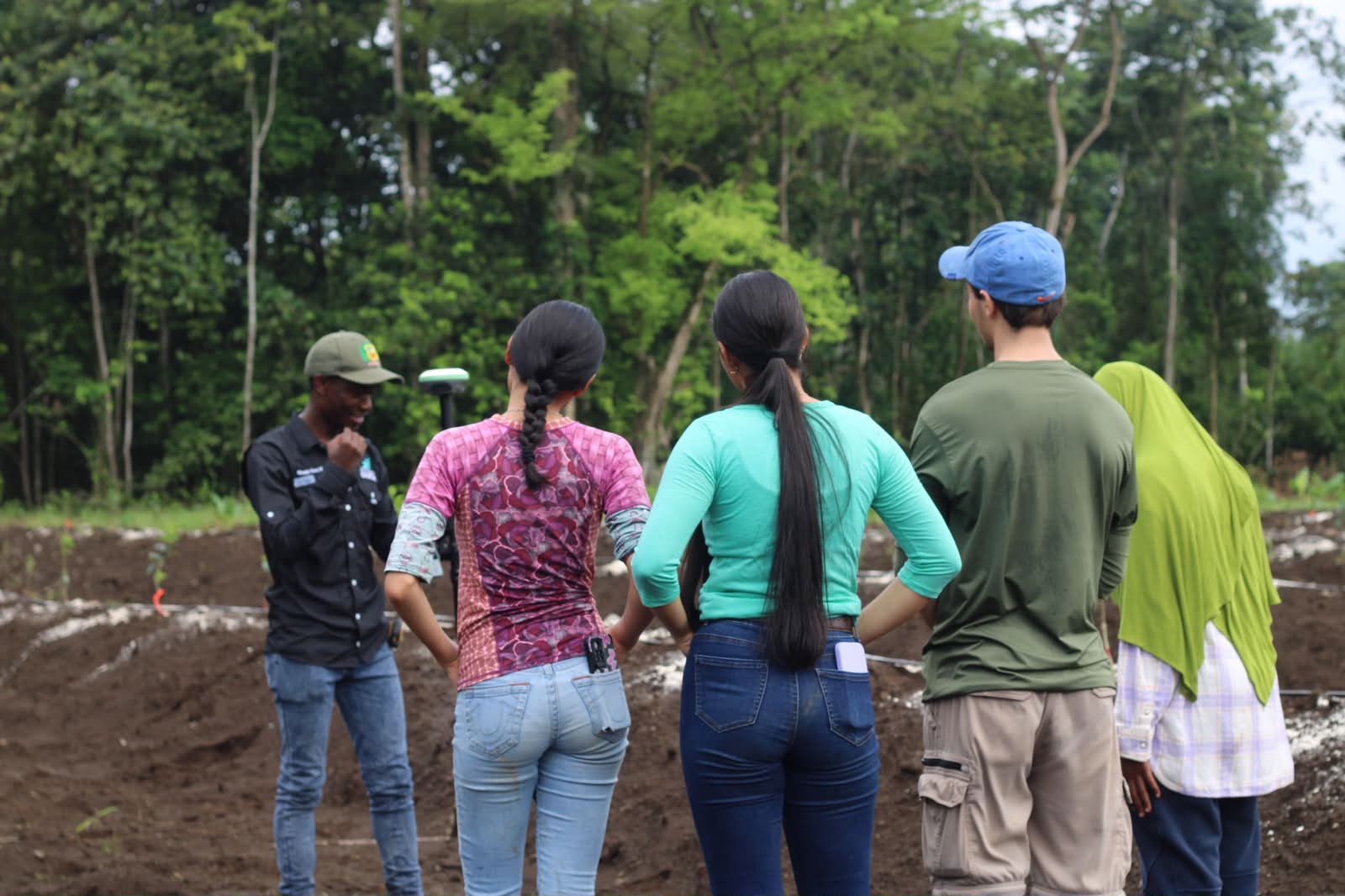
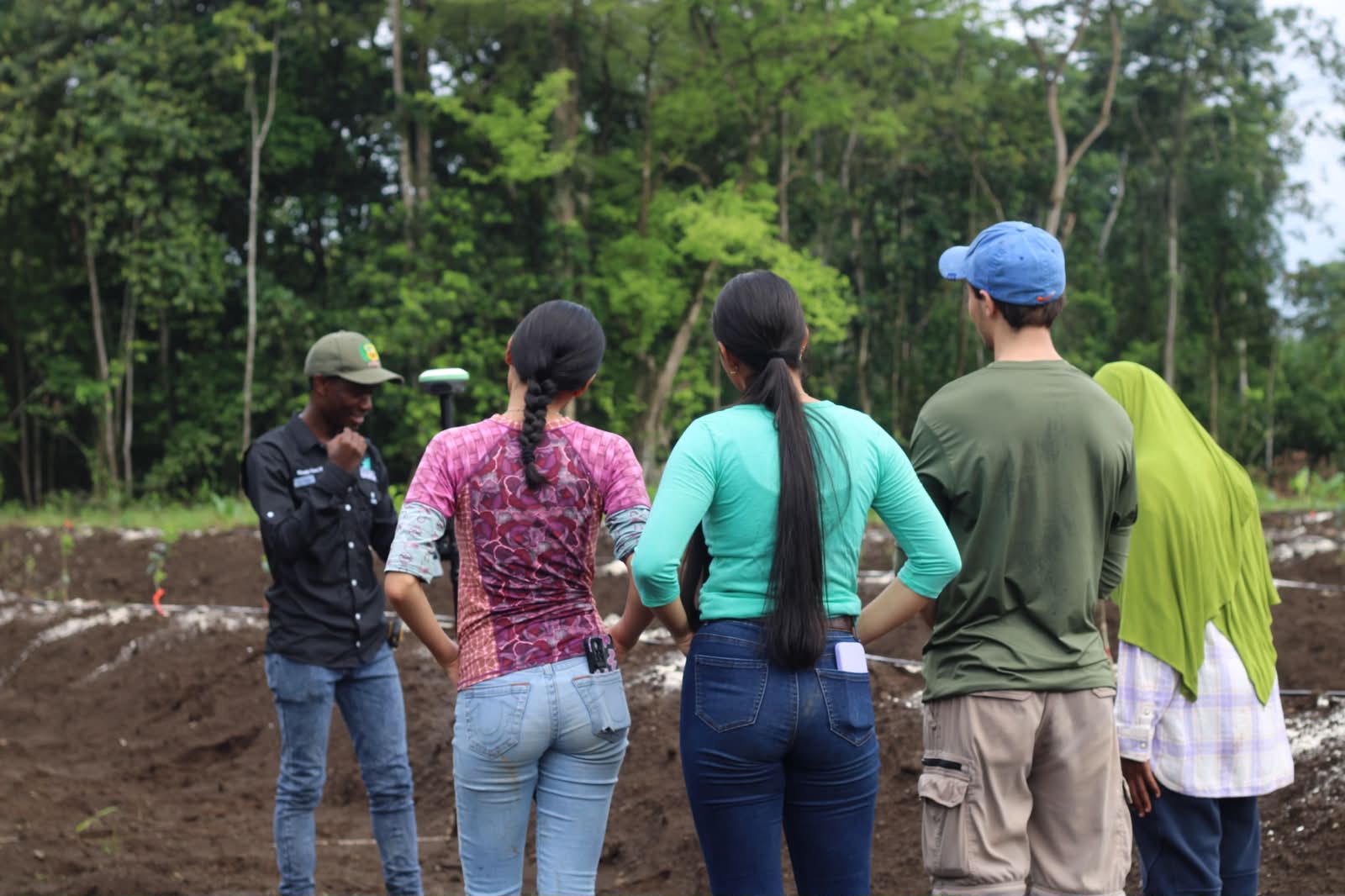
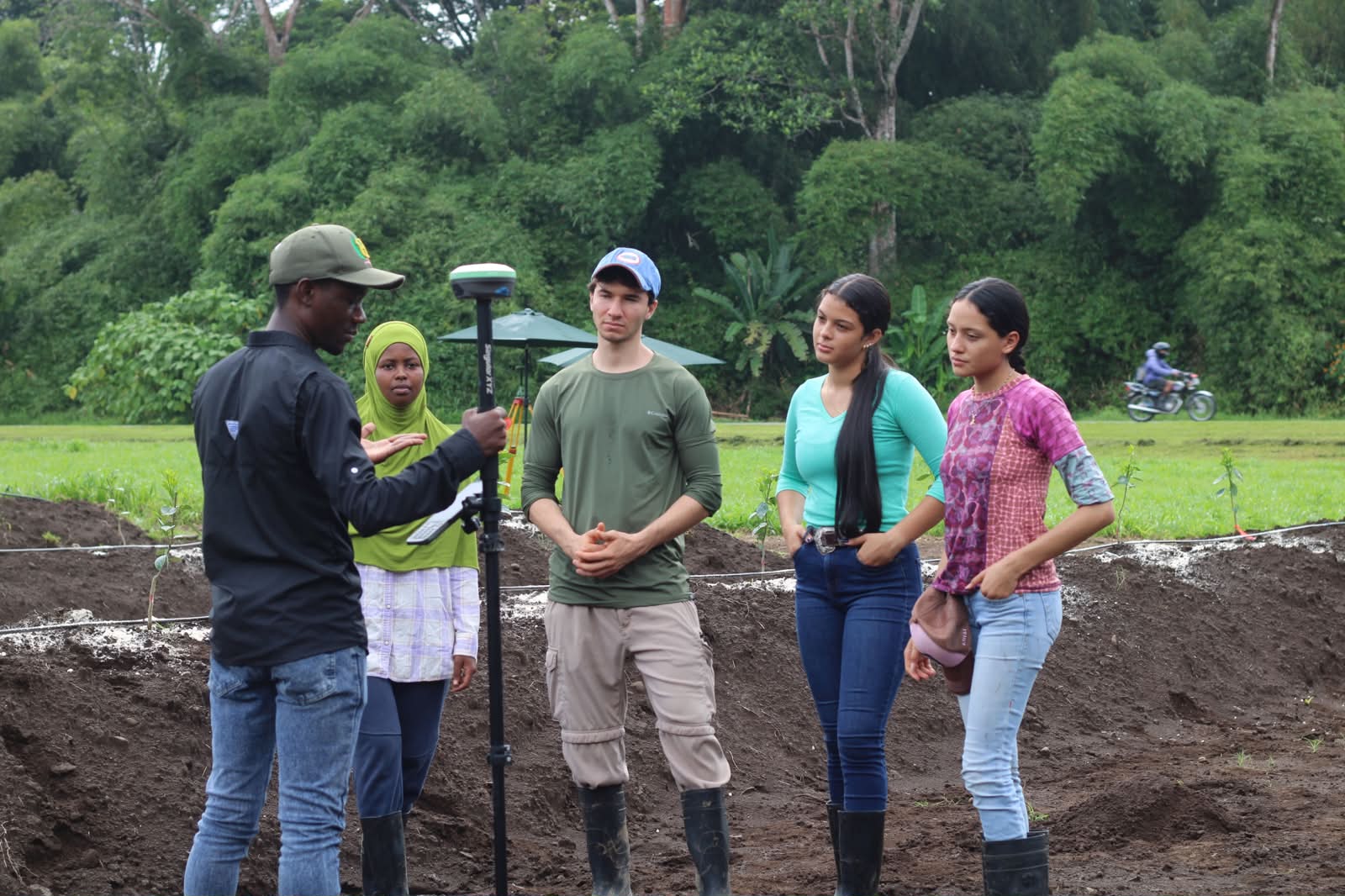
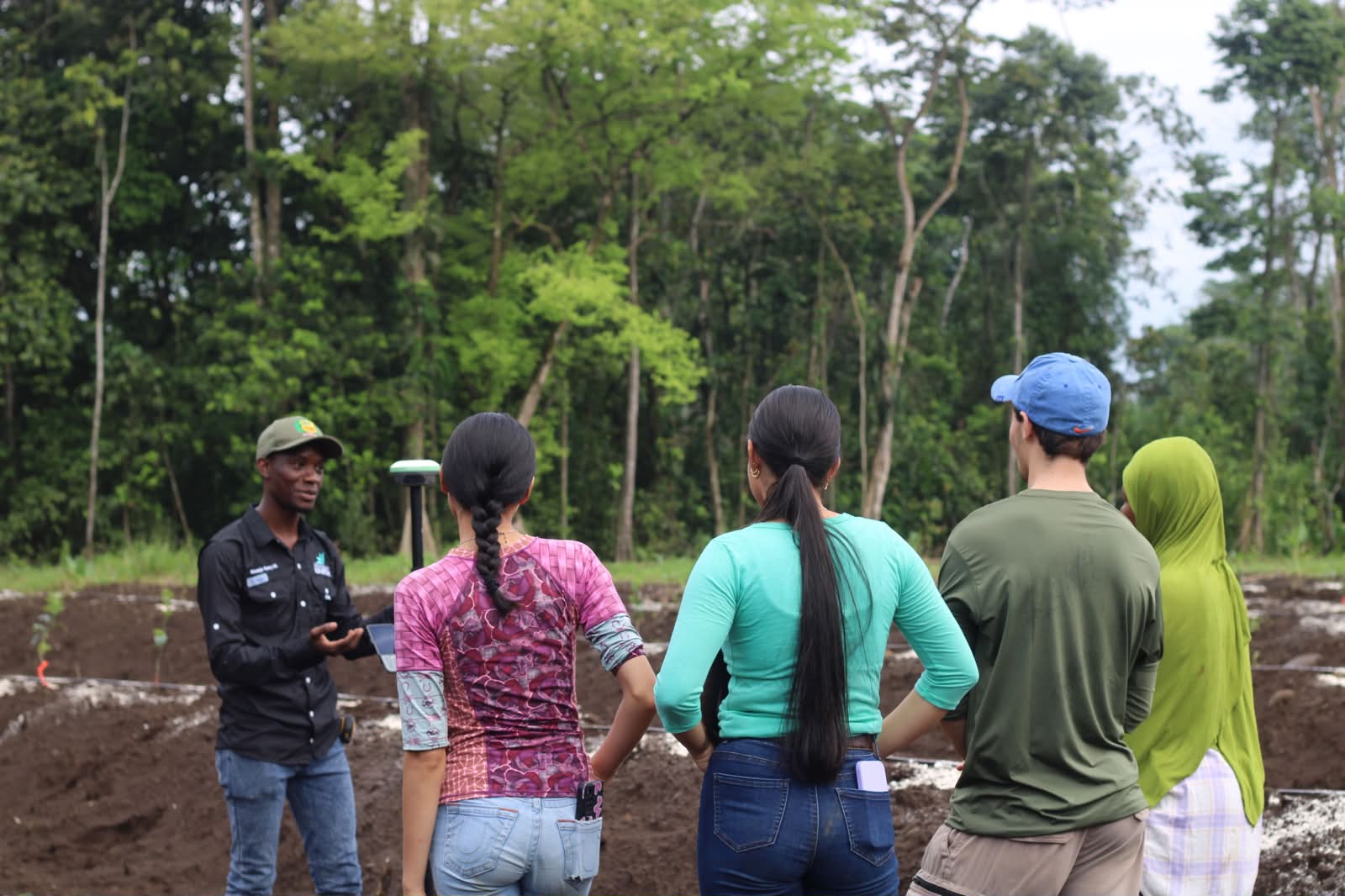
Drone flights, Kernza field campaigns, root imaging, and research presentations. Click any image to enlarge.
CV, cover letter, transcripts, and certificates — all available as PDFs. Click any to open.